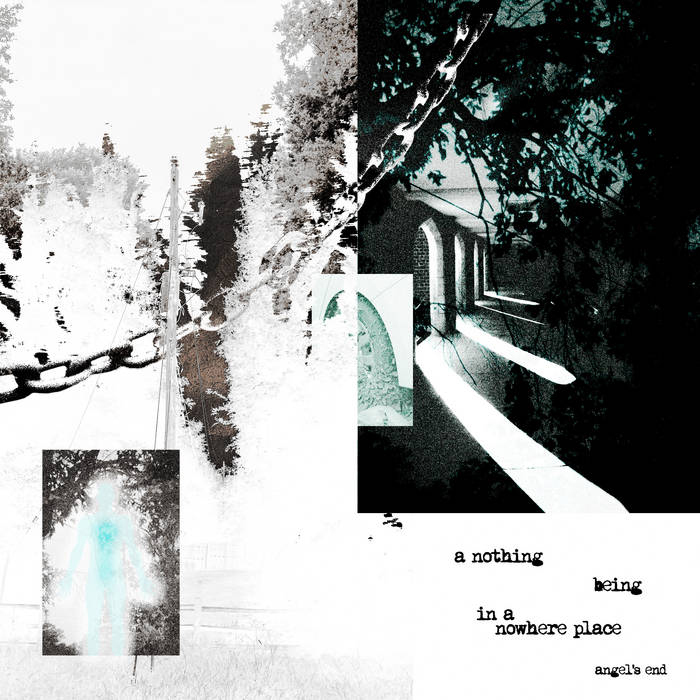
Self-described as metalcore, this three-track demo from Angel’s End showcases their blend of metallic guitar and screaming with a post-hardcore sense of melodicism and emotional lyrics. The band’s lineup is almost exactly that of another local act Gall, who put out their first sludgy demo earlier this year, except the notable difference of Caleb Meyers as the vocalist. With a very skater-esque title and lyrics, the track “learn to fall, the concrete will embrace” opens the demo with a tearing guitar riff before demonstrating Meyers’ chops as a hardcore vocalist. But when the breakdown hits, his softer vocals show the cracks in his voice. Being a demo, I expect all parts of this release to have a rough-around-the-edges charm, so Meyers having a less-than commanding presence when talk-singing isn’t a huge surprise. His restrained vocals work better on “drink from the cup and begin again” with its rhythmic and repetitive flow. Lastly, “the axe forgets, but the tree remembers” lays out droning, dredging guitars complementing Meyers’ melancholic and pleading wails. Overall, it’s a solid demo with enough of a genre shift to make Angel’s End more than just Gall plus Meyers. —Dalton Spangler
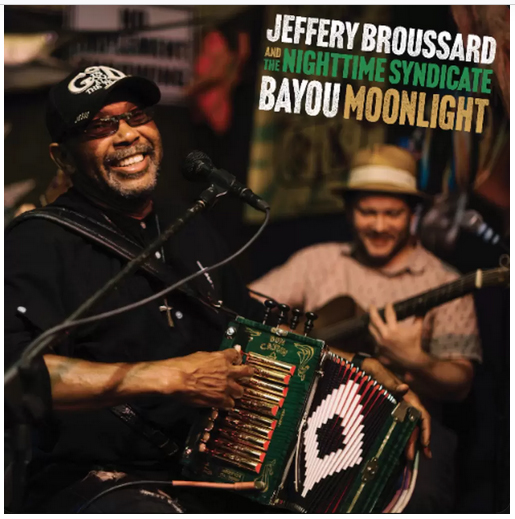
A richly layered nouveau-zydeco-R&B record with small-town charm and big-time soul, Bayou Moonlight is a timeless, resplendent album. The decorated and formidable Jeffery Broussard, hailing from Frilot Cove (just outside of Opelousas) teamed up with members of New Orleans’ TBC Brass Band to form the Nighttime Syndicate, crafting a bright blend of Louisiana sounds on their energetic debut album produced by Romain Beauxis at Marigny Studios in New Orleans. Chock-full of charming vocal features, lively accordion, transcendent horn solos, down-home lyrics, and some enchanting covers—including Sam Cooke’s “A Change Is Gonna Come”—every facet of these musicians’ many captivating talents is on full display. I had the pleasure of seeing them live at BJ’s, where I recognized Broussard’s rendition of the soulful French songs performed at the crowded Cajun dance halls I was dragged to as a small child. Dancing along to these songs live brought that memory full circle, at a time and place in my life where I could finally appreciate it fully. This album clearly displays how worthy, versatile, and precious a musical discipline zydeco is. Bayou Moonlight is a heartfelt love letter to our culture, an artful iteration of Creole music’s best aspects: It’s jazzy, bluesy, traditional, contemporary, nostalgic, innovative, incredible.
—Terra Durio
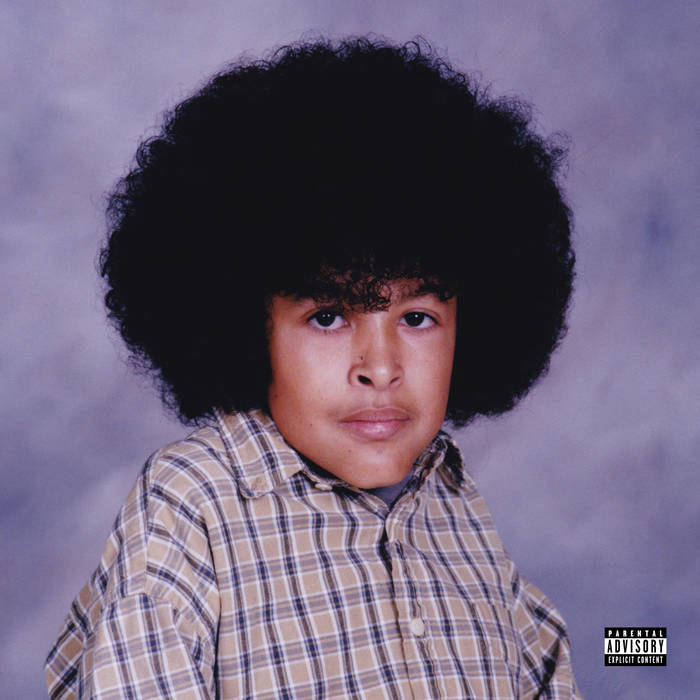
A self-professed “Disabled Disco Innovator,” Cola Boyy (a.k.a. Matthew Urango) was both a musician and an activist. After sadly passing away in 2024, Quit to Play Chess is Cola Boyy’s posthumously released second full-length album. Urango was a master at creating beats, so while the songs on Quit to Play Chess don’t stray too far from more traditional disco and neo-funk, they still sound fresh. Samples and vocal distortion add extra layers to the songs, with Urango’s distinctive, slightly nasally tenor anchoring it all. Lead single “Babylon” is an absolute banger, vigorously embracing life while pondering whether the afterlife can even compare (“Tell me, is there Hennessy in heaven? / If not I’m gonna nosedive straight to hell”). On “Wave,” a beach-party vibe belies Urango’s own vulnerability (“I just met the darkest part of me / Hanging with the fish at the bottom of the sea”). Other standout tracks include the breezy but socially conscious “Homegirl” and the cheeky, funky “Busy,” featuring guest vocals from Erosika. Quit to Play Chess is a testament to the life and talent of Urango and a reminder that our time on this planet is limited: We must celebrate it and take care of each other as best we can. —Mary Beth Campbell
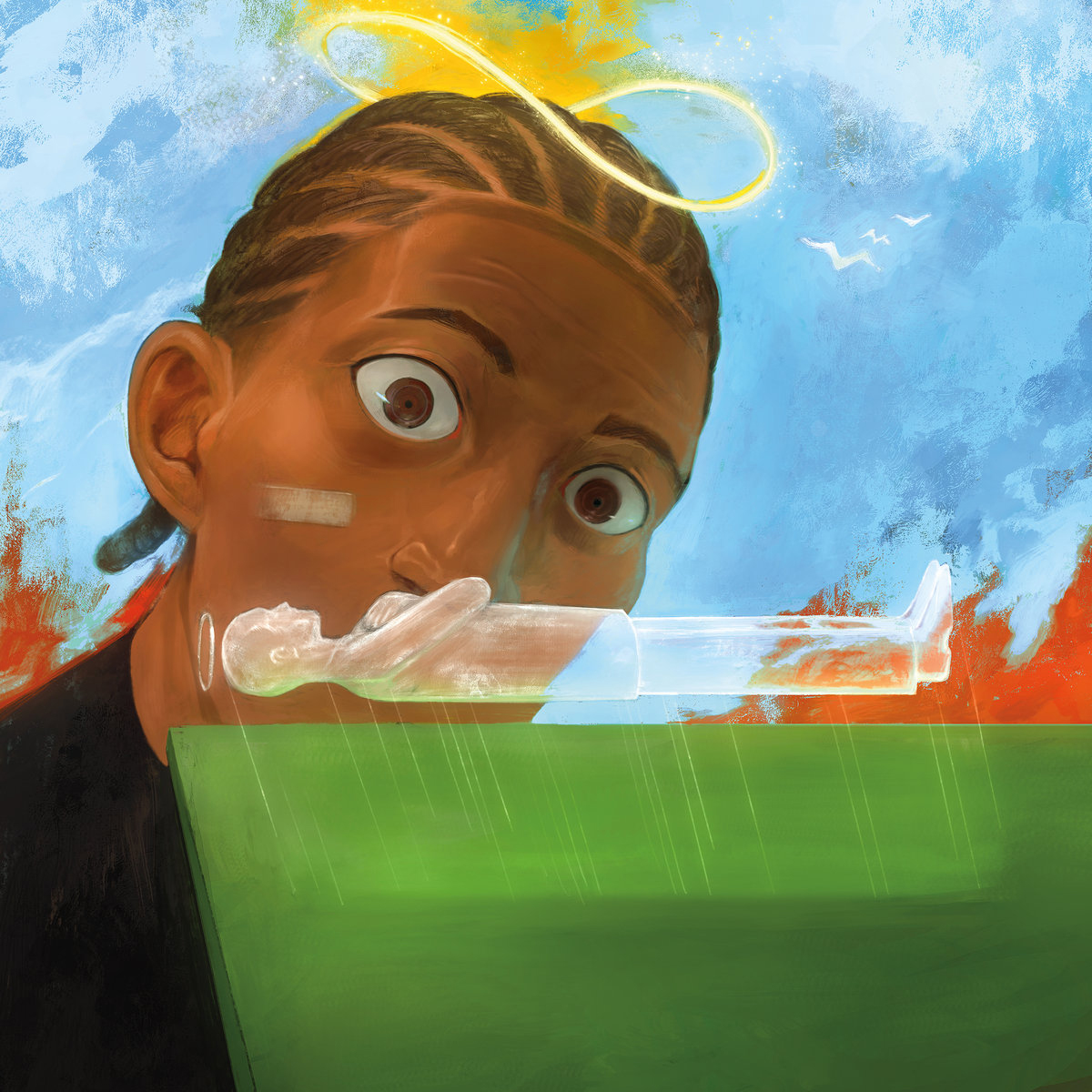
Annapolis-born and now Chicago-based rapper McKinley Dixon finds jazz to be the best way to communicate the intricacy of the full scope of human emotion, but lacking skill in any instrument, uses rap to make himself the storyteller. Magic, Alive!, which follows three kids coping with the loss of their best friend, certainly lives up to those dual aspirations. Each song has at least one line that hits like a punch to the gut (“A grown man and his former self dance in [the] kitchen / One suited, the other wondering when the former went missing” from “Listen Gentle”), made all the more impactful by impeccable backup vocals. The production is lush and intricate, blending methods common in modern rap and hip-hop with vivid orchestration and echoes of modernist jazz. The music and lyrics weave a narrative as exuberant as it is fraught. Driven by a relentless energy, the album is at times confrontationally chaotic (“Crooked Stick,” ”Recitatif”) and at others as welcoming as a friend’s embrace (“We’re Outside, Rejoice!”), culminating in the cathartic title track as the characters realize that through music, they can live forever. Magic, Alive! reminds us that life and death walk hand-in-hand, but, often as a direct consequence of that blurred line, so do life and magic—and that is, to me, the entire point of music to begin with. —Robyn Kopeny
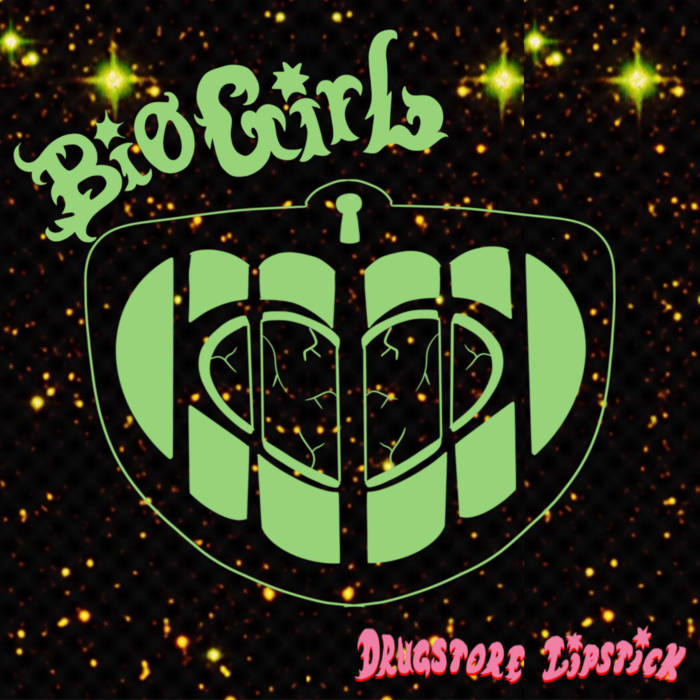
Drugstore Lipstick’s debut full-length concept album, BIO GIRL, has been four years in the making. Centered around the titular protagonist—who comes to Earth in search of a (literal) human heart and finds, unexpectedly, love with Earth Girl—BIO GIRL is a mesmerizing, queer tale of lust, love, and longing. Drugstore Lipstick’s influences include the New Romantic movement and Prince. Guitars, synths, and lead singer Slade Warnken’s dreamy vocals create a sultry atmosphere that draws you not only into the story but the characters’ emotions as well. Interstitial commentary from Ylva Mara Radziszewski as a sinister character reminiscent of Ursula the sea witch and an accompanying graphic novel by New Orleans artist (and ANTIGRAVITY contributor) Leo Rauf add additional layers to the story. Lead single “Meet Me in the Dark” sets the stage with its new wave yearning (“I feel like I knew you another lifetime ago”), the story continuing with the ecstatic R&B-influenced “Kiss Me,” all the way into the devastating ballad “Over.” With BIO GIRL, Drugstore Lipstick captures the singular, intoxicating pain that comes with falling in love, particularly the type that, as beautiful and affirming as it might be, is destined to burn out fast. —Mary Beth Campbell
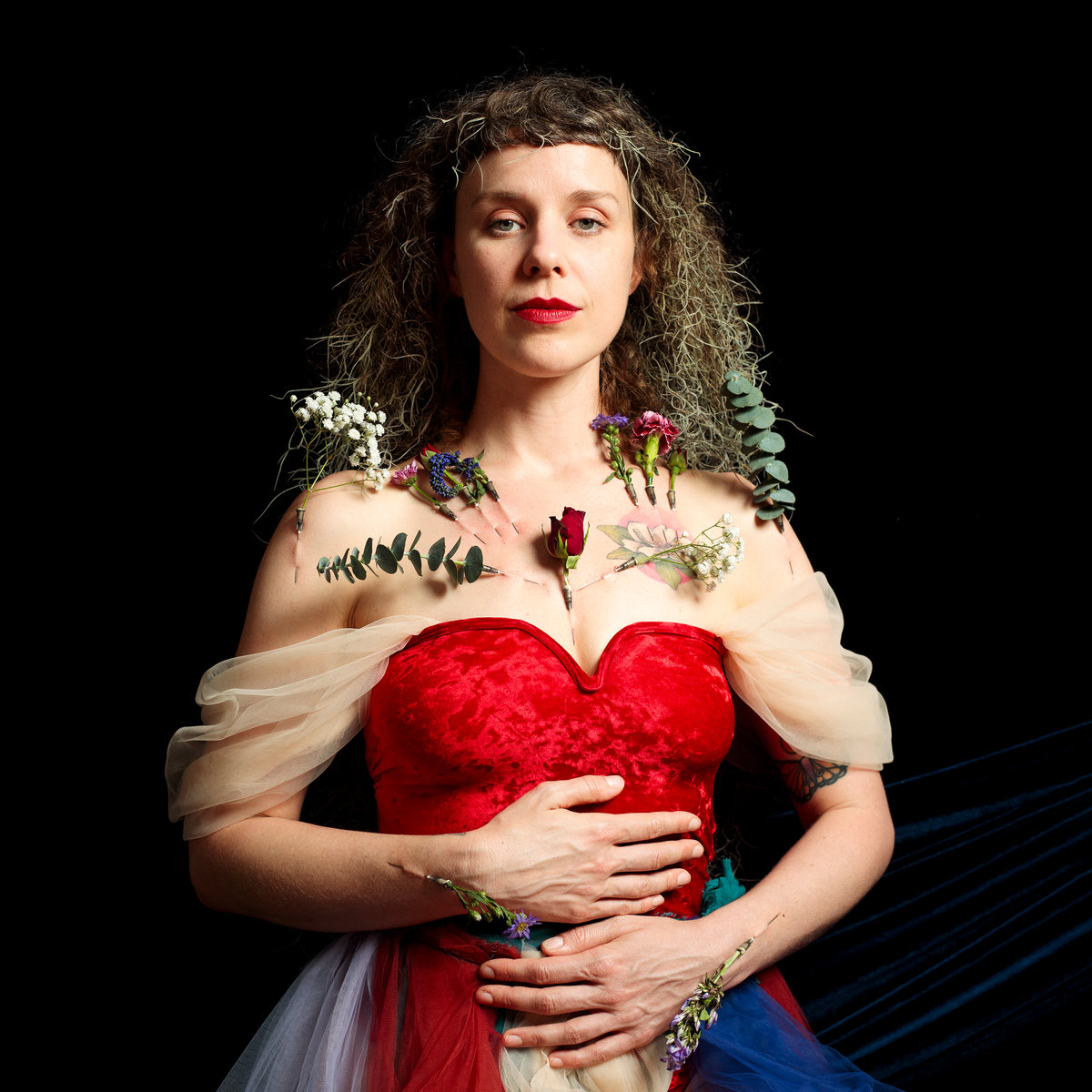
On jess joy’s seventh album, listeners undertake an epic creative journey featuring incandescent vocals, glimmering emotional soundscapes, and rich, dark lyricism. Between sprawling seven-minute songs and quick blaring tracks, joy plots her spiritual and physical wanderings from her native Southern Louisiana to the industry pockets of Los Angeles, seeking artistic freedom across the country in search of belonging, and finally, back to Louisiana to reckon with what that concept ultimately means. I’ve never heard anything quite like it—it’s a Homeric saga styled like an early Joanna Newsom album, with Passion Play undertones. This album deals in dichotomies: It’s hard to approach, yet feels somewhat familiar. The musical production, helmed by Greg Saunier of Deerhoof, takes turns evoking the whimsy of a fairytale and the dark undercurrent that anchors all timeless lessons. An odyssey of intense storytelling featuring multiple characters, moody musings, and unique musical styles that defy imitation or explanation, WON’T BE KICKED OUT THE GARDEN is a tender homage to the stilted growth of all us beautiful, confused garden-dwellers who search and yearn for a true home. It’s the perfect soundtrack for a summer afternoon deluge. —Terra Durio
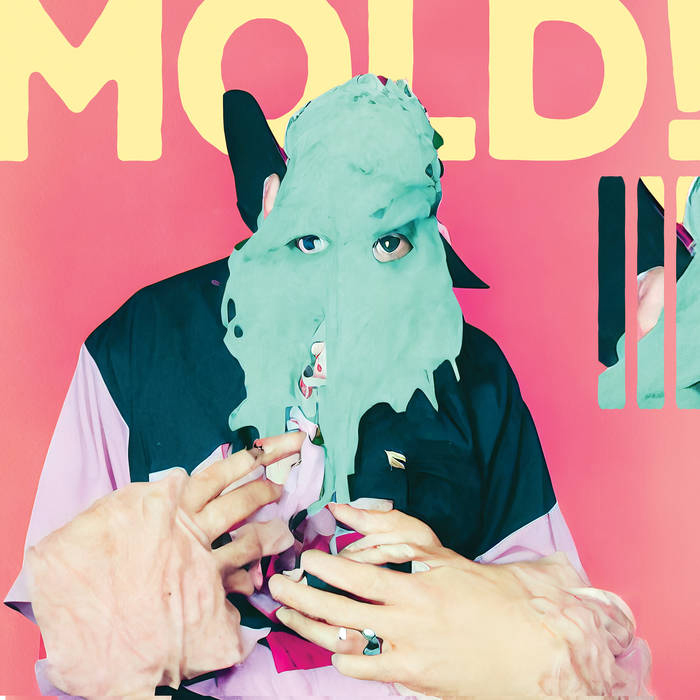
MOLD! is a psych rock/experimental noise punk collective based out of Miami by way of Lima, Peru (known for its vibrant music scene and is, as some argue, the birthplace of punk). In addition to psych rock and punk, elements of shoegaze, surf, traditional Peruvian music, and melodic pop appear throughout their latest album, III, which is their first release on local label Community Records. III is evenly split between English and Spanish, with bassist Bronto Montano and guitarist-keyboardist Carlo Barbacci both contributing to the lyrics. The fuzzy, energetic “La Música de Tu Dolor!” is, according to the band, their most nostalgic song, though MOLD! is not afraid to explore their past, even if it might be uncomfortable (“Solo Hoy Dia!”, “Al Tacho!”). The songwriting of Montano and Barbacci also delves into the philosophical, via “Struggle With Nihilism!” and lead single “Elevator!”—“I know, The ways of yesterday / I feel i see them every day / You’re gonna peel / The life time out of me.” With III, MOLD! has crafted a smart, thoughtful, and fun collection of songs that are just as likely to spark your own existential musings as they are to entice you into the mosh pit. (Catch MOLD! at Saturn Bar on August 5.)
—Mary Beth Campbell

Dropped just in time for Pride last month, Nonbinary Assault Weapon (NAW) blazes a searing warpath with AK sights set on patriarchy, Zionism, and billionaires. A relatively new local hardcore band, NAW is comprised of Olive Garden (vocals and lyrics), Andy Soda of Mars (Bass), Rob Lovell of all his many different bands (guitar), and Bad Matt (drums). Garden leaves little room for interpretation in their lyrics with lines like “Billionaires are evil / We must kill them all” (from “But is this over?”) and “Turn your hope into a knife / Turn your hope into a gun / Turn your fear into a fight” (from “Turn Your Hope Into a Knife”). In these crystal clear illustrations, they diagnose many of the world’s problems and leave only one prescription: violence and revolution. Through the no-punches-held punk NAW writes, they give voice to the rage and despair of many minorities and poor folk, with guitar dive-bombs to boot. If you have ever felt dejected or helpless in the face of a seemingly uncaring, complacent populace, there is some catharsis, or at the very least, understanding to be found in this release. —Dalton Spangler
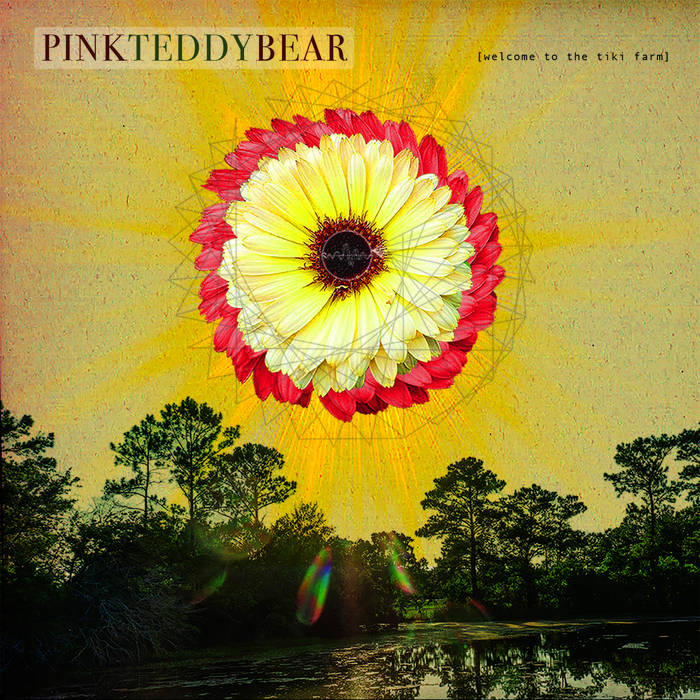
Pink Teddy Bear’s debut album merges real and imagined natural worlds by weaving field recordings of birds, insects, rain, and other animals with the band’s eclectic studio sound. Self-identified as a “plant based band,” this album is inspired by fruits grown at The Tiki Farm. “Jaboticaba,” “Marukuya Passion Fruit,” “Shishandria,” “Python Snake Bean,” “Maruba Santoh,” “Surinam Cherry,” and “Motu: King Of The Bayou” are hailed in song. Nature sounds are also transformed into percussion and synth, adding Enrico Caruso’s samples to layers of Arabic, West African, and Latin percussion woven into bits of post-punk—albeit in the slowed demeanor of 95 degrees in Pearlington, Mississippi before an afternoon rainstorm where little frogs sing afterward. The Tiki Farm is a real place in Pearlington, connected to the beloved Suis Generis restaurant in the Bywater [an ANTIGRAVITY advertiser] where bandleader Carlos Grasso spins records. Collective members include notable locals from performance and grower scenes such as Leah Hennessy, Johnny Campos, Steve Dalton, Jose Hernandez, Kimberly Hebert, Danny Milojevic, Kevin Comarda, Banjo Bergfeld, and Grasso, who also projects his psychedelic videos of the Tiki Farm’s flora and fauna in live performance. The band evokes references to the Exotica movement, but consider band members’ relationships to nature as a collaborator rather than a space for colonial land-grabs. Album highlights include “Dragon Fruit,” where the sticky nectar of the song’s languid refrain on synth marimba is answered by a sleepy Ennio Morricone-infused guitar. As the refrain returns slightly slowed, Hennessy’s siren call floats above the music, above time. This melody is smoothly dissected and riffed on, a smart signature of the band. Grasso’s samples of birds and insects add to the album’s bustling tapestries of jazz grooves, as in “Jaboticaba.” Welcome To The Tiki Farm is “fresh out of the ground” and available on vinyl and digitally. Be transported, get grounded. —Veronica Cross

There is always some trepidation when a legacy band reunites to create new music: Is this just a cynical cash grab, capitalizing on nostalgia? Do they even have anything left to say? Though Britpop stalwarts Pulp have reunited several times since they first “broke up” in 2002 and released the single “After You” in 2013, I will admit that I approached the news of More—their first full-length in 24 years—with wariness. Despite a misstep with the AI-generated video for lead single “Spike Island”—which, ironically, was meant to criticize the use of AI—More is a welcome addition to the Pulp catalogue. While the absence of bassist Steve Mackey (who passed away in 2023 and to whom the album is dedicated) is noticeable, the band has retained most of its essence: lead singer Jarvis Cocker’s sultry, wry vocal stylings, Eurodisco grooves, clever lyrics, and, of course, an unabashed embrace of sex. Sex has always been central to Pulp’s music, as a means unto itself and as a way of stealthily examining society and emotion with surprising depth. With the additional decades of experience, there is more gravitas and wisdom to their songs, which are accompanied with a more lush, baroque pop sound—not a departure from their synth-laden Britpop of yore, but rather a maturation. Pulp’s music could be described as “coming of age” music, but this does not have an end date. Instead of performing the role of a “grown up” our goal should be to evolve with the years, to continue to be part of the world and have something to say. —Mary Beth Campbell
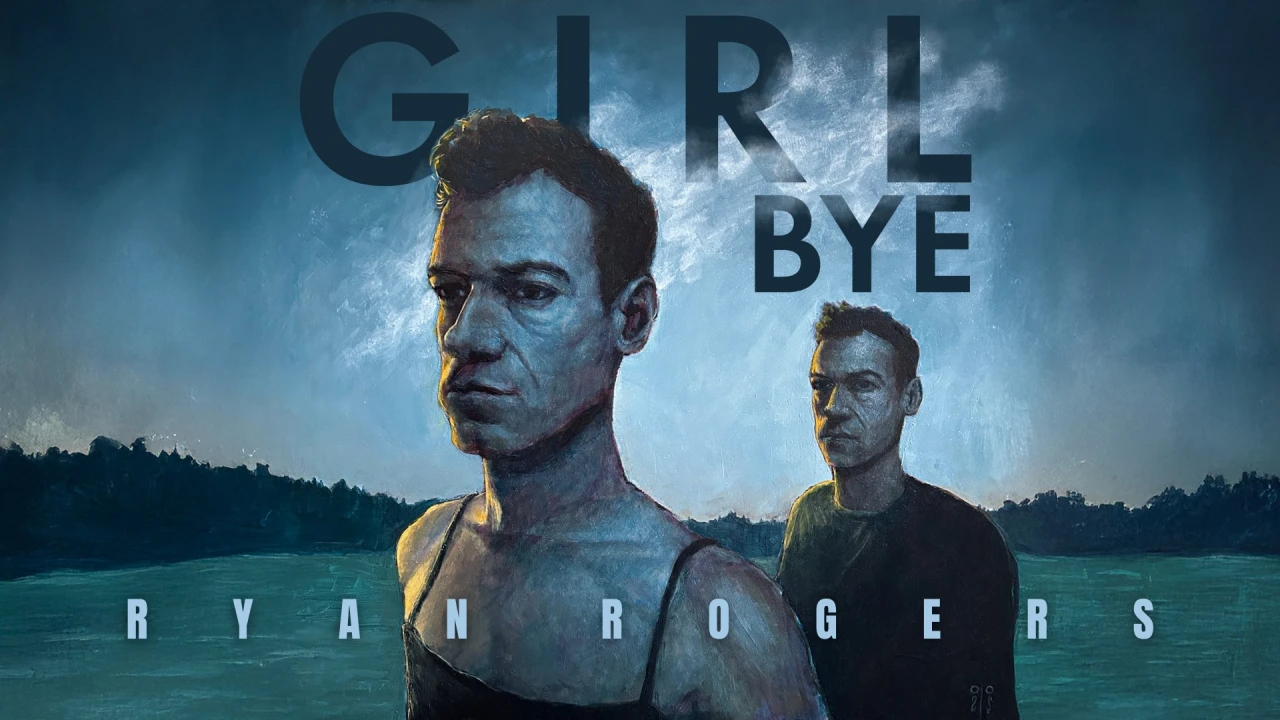
New Orleans comedian Ryan Rogers’ second comedy album embraces the joy, irreverence, and hilarity of queerness. This live-recorded special places listeners squarely in the room as he roasts New Orleans, Catholicism, the South, straight culture, gay culture, politics, homophobia, and more. “I’m married to a man and that’s not even the gayest thing I’ve ever done,” he confides on the album’s title track. “Once I did ketamine with Billy Porter and four of the five Queer Eye guys in a bathroom on Fire Island during an underwear party while a Cher song was playing in the background… and that’s still the second-gayest thing I’ve ever done!” I got to see the New Orleans native perform briefly at the Toledano Street Comedy Festival in May, where he took the stage alongside a host of other local comedians sharing quick, tight sets (ahem). The audience chortled heartily to his occasionally groan-worthy, but generally infectious jokes, as they also did throughout this special. He is undeniably funny, but I found the punch lines start to feel recycled after a while. And although the quips span just about everything ripe for parody, this special does feel somewhat repetitive in audio format. That said, Rogers’ live five felt as funny and complete as this hour-long special—he clearly has a talent for warming audiences up and getting to the heart of the humor. GIRL, BYE is a brash, unapologetically entertaining comedy album that Louisiana-born Gen X and millennials of every sexuality will see themselves in (whether they like it or not). —Terra Durio
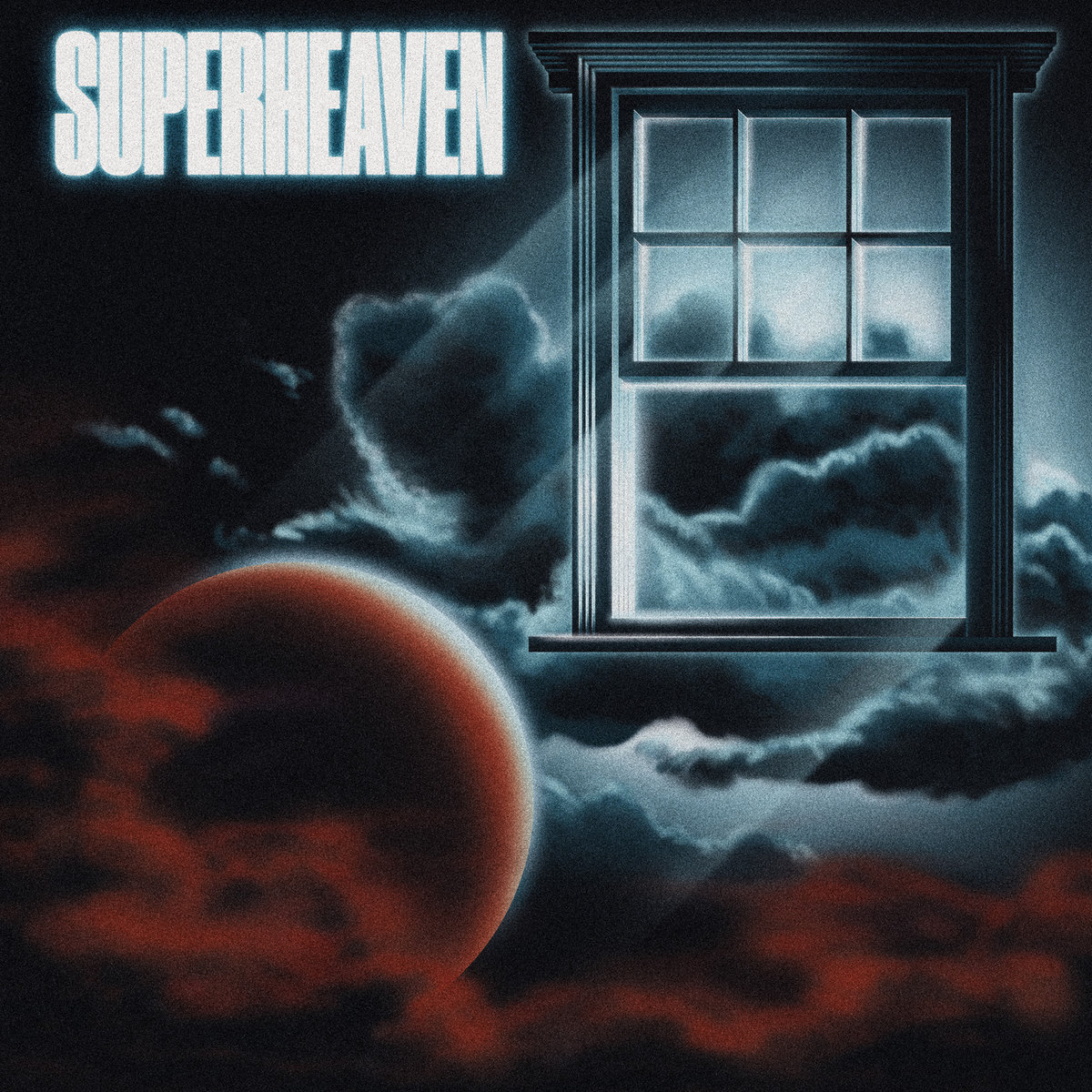
Their first studio album in a decade, Superheaven’s self-titled April release feels a bit like time traveling. An atmospheric drone, gritty and textured, provides a backdrop for confessional lyrics, spelled out in a slow drawl by lead vocalists Jake Clarke and Taylor Madison. Fuzzy power chords create a thick sludge and vocals break through the noise while a distinctly hard rock rhythm drives forward. “Humans For Toys” opens the record with a nod to the world at large (“Glorious times / We’re living in / Humans for toys, they’re nothing”), addressing the elephant in the room before going on to explore more personal woes in the tracks to follow. Lyrically, Superheaven traverses the usual post-grunge subjects—inner turmoil, despair, and the complexities of relationships—over a vaguely familiar soundtrack. The album’s instrumentation bounces from bassist Joe Kane’s heavy metal riffs (“Long Gone”) to a fervent punk thrash (“Hothead”) to the ambient distortion of shoegaze (“Conflicted Mood”), carving out some hills and valleys to alleviate the dissociative march that threatens to swallow the record whole. The 10-song tracklist dances around homogeneity, with just enough variety to keep a loyal listener engaged. Nearing the album’s close, however, “Next Time” offers a refreshing sound on the band’s first track written by drummer Zack Robbins, featured on guitar and lead vocals.
—Victoria Conway

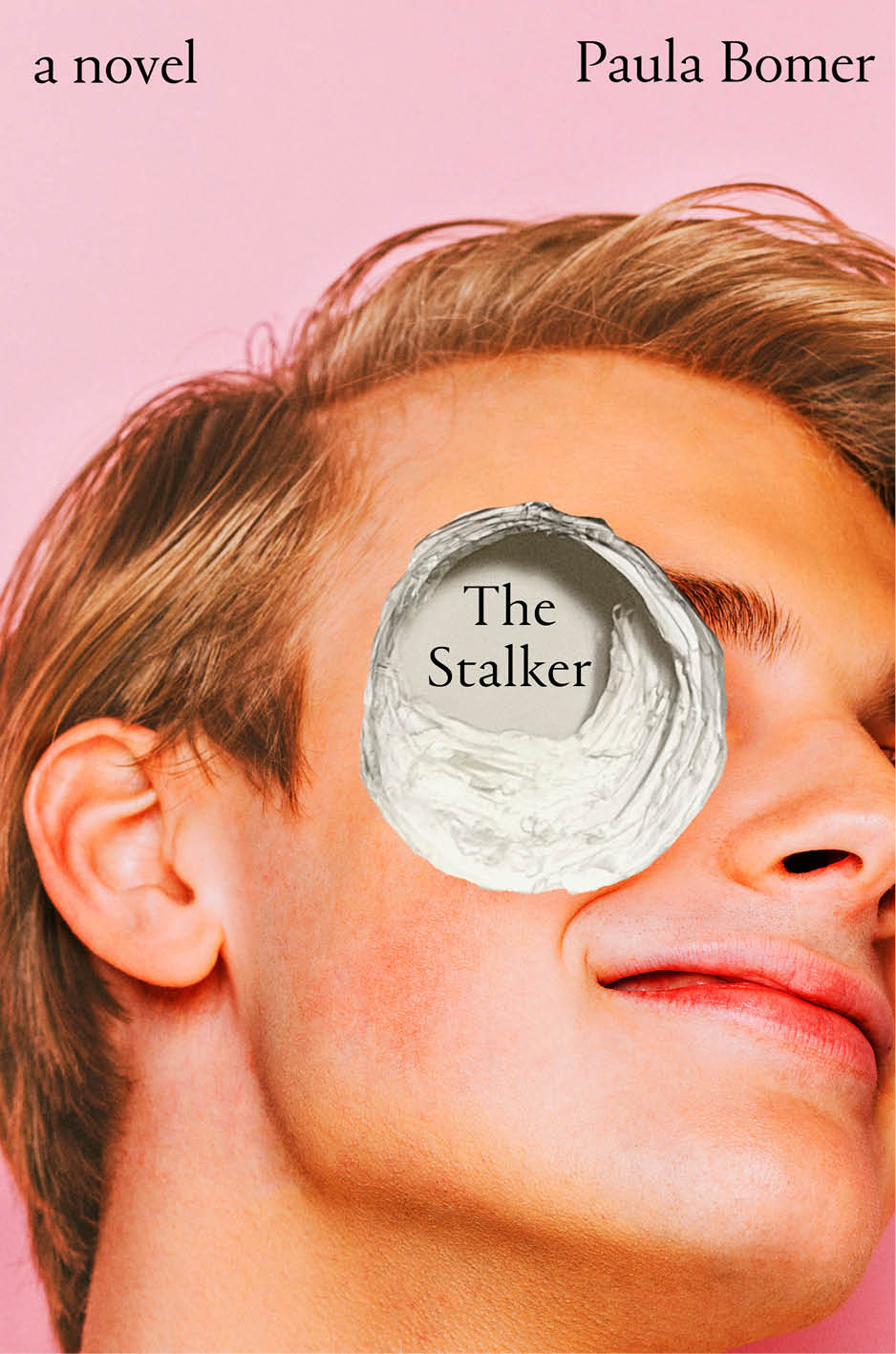
This almost excruciatingly dark comedic novel follows a repulsive, sadistic young Connecticut man, convinced of his mental and class superiority, as he cons and charms his way through early ’90s lower Manhattan. Publicity materials compare main character Robert “Doughty” Savile—who refuses to acknowledge that he, his late father, and alcoholic mother are not heirs to a vast fortune and aristocratic lineage—to the protagonists of The Talented Mr. Ripley and American Psycho. But an equally apt comparison is A Confederacy of Dunces. Paula Bomer provides an uncomfortable illustration of what Ignatius J. Reilly might have become on a diet of late 20th century pop culture and a distant father’s misogynistic aphorisms, as self-centered Savile cadges lodging, food, money, and drugs from people he disdains while mocking their own growth as lower-class striving. Descriptions of physical and sexual violence, as well as Savile’s violently contemptful views, won’t be for everyone. But Bomer’s precisely crafted prose makes the plot worth stomaching and even consistently, improbably funny. Bomer is also excellent at portraying real, of-the-era New York locations like quintessential downtown dive bars Lucy’s and Milady’s, where Savile, like many arrogant young newcomers, consistently underestimates and looks down upon the strong connections forged between outwardly unalike city dwellers, ultimately leading to his downfall. —Steven Melendez
When you hear the term “dad rock,” certain images and names likely come immediately to mind, as well as ideas about the type of people who listen to those artists. But musical genres—like gender, borders, and so many human-created categories—are fluid. They should help us make sense of the world, not trap us. With her debut book, The Dad Rock That Made Me a Woman, author Niko Stratis invites us to look at dad rock, and the general concept of dads, in a different way: “Dads are not always men, and dads are not always fathers… They will entrust you with beautiful melodies that will conjure flashes of a time that seemed easier only because you no longer have to live in the moment of how hard it felt then.” A memoir in mixtape form, equal parts heart-wrenching and beautiful, Stratis centers each chapter on a specific artist and song as a means of exploring different chapters in her life: her upbringing in the Yukon, her work as a journeyman glazier, her experiences with addiction and violence, and, triumphantly, her transition in her 30s. Some of the artists she enlists to tell her story are ones you might expect (Bruce Springsteen, Wilco, Pearl Jam); others are not (Neko Case, Julien Baker, Waxahatchee). What matters is that each had an impact on her life, that each one is an integral part of her own unique journey. And isn’t that the true power of music and storytelling—the ability to help us understand the world and our place in it, and, perhaps, to show us that this life is worth living? —Mary Beth Campbell

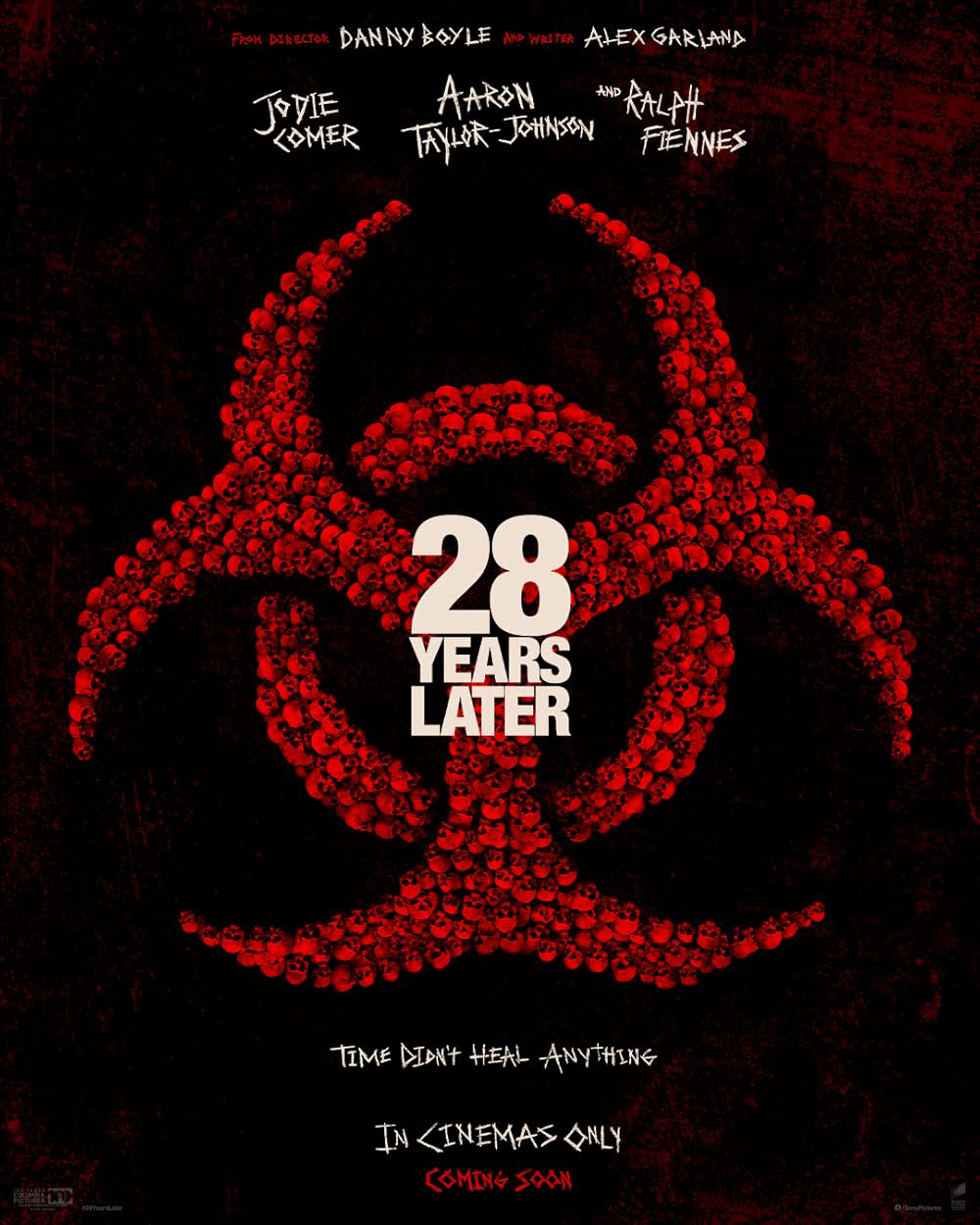
Danny Boyle will never give you the same thing twice. Teaming up again with writer Alex Garland, who also wrote the screenplay for 28 Days Later, the pair’s sensibilities complement each other as beautifully as ever. As the title suggests, the movie is set 28 years after the initial Rage Virus outbreak, and it follows a community of survivors who have been quarantined to an island off the mainland of Northern England as the rest of the world lives virus-free. Garland’s fantastical and excusably corny writing, coupled with Boyle’s gritty and formally inventive directorial style, advance the zombie genre from simply blood and violence to poignant family drama and meditation on the sanctity of life—even the lives of the infected—aided by complex and tender performances by Jodie Comer as a sick, confused mother and Ralph Fiennes as a mysterious, iodine-soaked doctor. 28 Days Later’s notorious grainy visual texture is due to the use of, at the time, the cutting edge Canon XL1 digital camera, which had a much lower resolution than film or digital cameras in use today. The camera’s small size allowed them to get quick, not always approved shots of empty London streets. Boyle’s priorities have not changed: 28 Years Later was shot on multiple iPhone 15s, and according to WIRED, Boyle said the lightweight cameras meant “we were able to move quickly and lightly to areas of the countryside that we wanted to retain their lack of human imprint.” Boyle’s frenetic and jolty visual style is here balanced by Garland’s own whimsical one—even in its bizarre, painting-like CGI moments, it’s clear there are no errant threads. Filmed in conjunction with its second half, 28 Years Later: The Bone Temple (which will release in early 2026), all roadmarkers point to expansion without the usual Part One Underwhelm. —Marisa Clogher

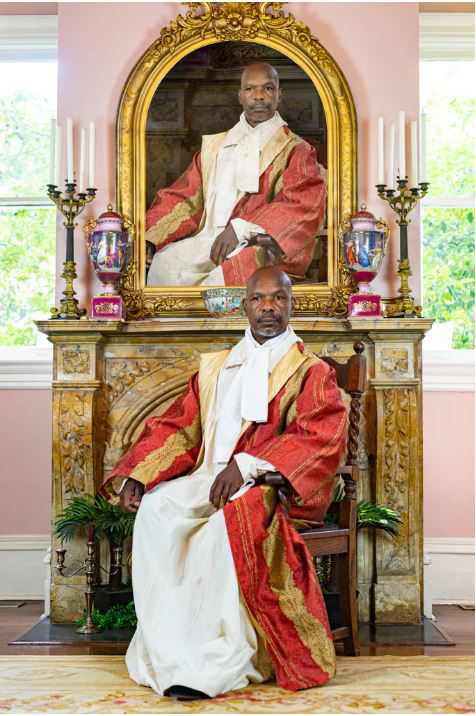
What can the art of 1673 France teach us in the present? Recently, The New Orleans Shakespeare Festival at Tulane presented a revival of Molière’s final play, The Imaginary Invalid, translated and adapted by Ryder Thornton and directed by Anne-Liese Juge Fox. Molière’s tyrant-comedy follows the wealthy hypochondriac Argan and his scheme to marry his daughter to a doctor’s son in order to secure free medical services for himself. Played to petty, pompous perfection by Doug Spearman, Argan’s eruptive tantrums and demands are counterbalanced by his sensible domestic Toinette. Performed with whiplash critique and oodles of slapstick by Jessica Podewell, Toinette is the storyline’s voice of reason, signaling where eyerolls are called for. Argan’s medical issue is one of the bowels, and his costly enema treatments are a metaphor for medical embezzlements, fads, and waste. Similarly, his second wife, the cooing and conniving Beline (played by Alix Paige) dreams of a comfortable life—without Argan. A Greek chorus channeling plague doctor vibes divides the scenes, and going-for-Baroque stage and costume design amplify the nonsensical social posturing of the narrative. Robinson J. Cyprian, doing double duty as part of the Greek chorus and as the detached and bespectacled Dr. Purgon, is both funny and troubling as hell, while Argan’s doting daughter Angelique (Alexandria Miles) is a measured throughline to the bombastic overtures of her family and their circle. She wants to marry her true love, Cleante (Brandon Sutton), and Argan tests her allegiance. When the doctor and his son arrive to meet Angelique, the audience was scream-laughing as father and son dandies clomped their way through the door in big, powdered French court wigs, 18th century-inspired buckle platforms, and gooey lip gloss. Phillip Andrew Monnett as the suitor, Thomas, and John Jabaley as father Dr. Diafoirus seemed to channel the physical comedy of The Carol Burnett Show, In Living Color, and various Mel Brooks enterprises all at once—but making it their own, even as they were just standing still. I can’t tell you what happens in the end, but consider Molière’s story as a reminder of how greed and divisive ideologies harm and separate people, even within families. —Veronica Cross

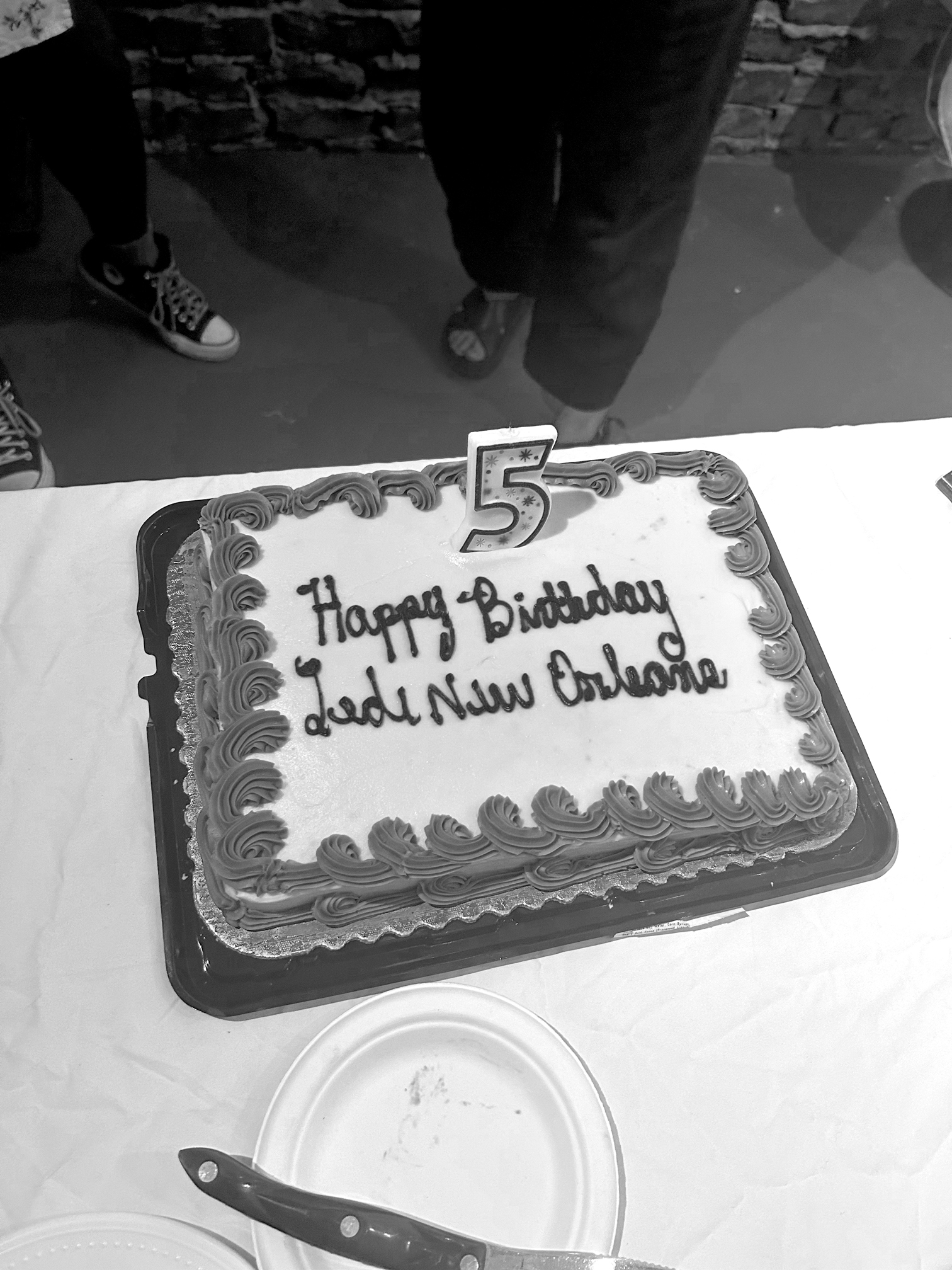
For many, engaging with the media can feel like a sucker punch—an exhausting stream of violence and misinformation. It’s no surprise people either tune it out or turn to unreliable sources on social media just to stay in the loop. At The Front, an exhibition marking Lede New Orleans’ five-year anniversary of their community reporting fellowship demonstrates the importance of guiding young Black and Brown storytellers to create ethical, accessible journalism that actually serves the people.
Lede was co-founded by executive directors Jennifer Larino and Ejaaz Mason in spring of 2020. After Larino and 65 other journalists were laid off from The Times-Picayune in 2019, she teamed up with Mason, then a high school film teacher in New Orleans, to create a curriculum blending documentary filmmaking and journalism. Each year since, the fellowship has grown—bringing more opportunities for young people from underrepresented communities to build their skills, curate annual interactive storytelling exhibits, and reshape what local media can look like.
When I joined the fellowship in 2021, I immediately knew it would be essential to my growth as an artist. One of the most important connections I made was with ANTIGRAVITY editor Holly Devon, hired by Lede as my journalism mentor as part of the fellowship, who helped me channel my overwhelming emotions into art, and guided me toward discovering my creative potential.
On June 18, Lede New Orleans brought together alumni and community members to reflect on the fellowship’s journey and growing impact. It was a space of reunion and recognition, where fellows from across cohorts reconnected and shared the work that continues to shape them. The exhibit featured powerful installations from past fellowship themes—food security, mental and maternal health care, prison abolition—each one a testament to storytelling as a tool for liberation.
One installation that stayed with me was Rituals of Black Motherhood by Cierra Clark—a blend of spirituality, science, and a quiet kind of magic. The instructions were simple but sacred: Write a prayer for your mother on a slip of paper, crumple it into a spiral around your finger, and set it alight. As the flame consumed the paper, it lifted into the air—black smoke rising like memory. As I did that, I watched the paper burn black and float into the air. That moment—watching the paper spiral upward like smoke carrying a message—brought me back to my time as a fellow, when I was learning how to turn passion into purpose, and community stories into collective power. In a city like New Orleans, where silence can be dangerous and noise overwhelming, Lede teaches us how to listen—and how to speak with intention. Five years on, it’s clear: This work is not a moment, but a movement. And its echoes are just beginning.
—Nijah Narcisse
