Danielle Nelson is a practicing therapist and Licensed Clinical Social Worker (LCSW) who focuses on sexual health and wellness, trauma and recovery, self-esteem and resilience building, and general mental health concerns. Though Danielle is a trained professional, this column is not a substitute for advice or care provided by your licensed medical or healthcare professional.
As we prepare for the upcoming holidays and all of the emotional baggage they can bring, November is a good time to take stock. This month’s questions are both about caring deeply for someone while trying to figure out where your responsibility ends… and where letting go might be the kinder thing to do.
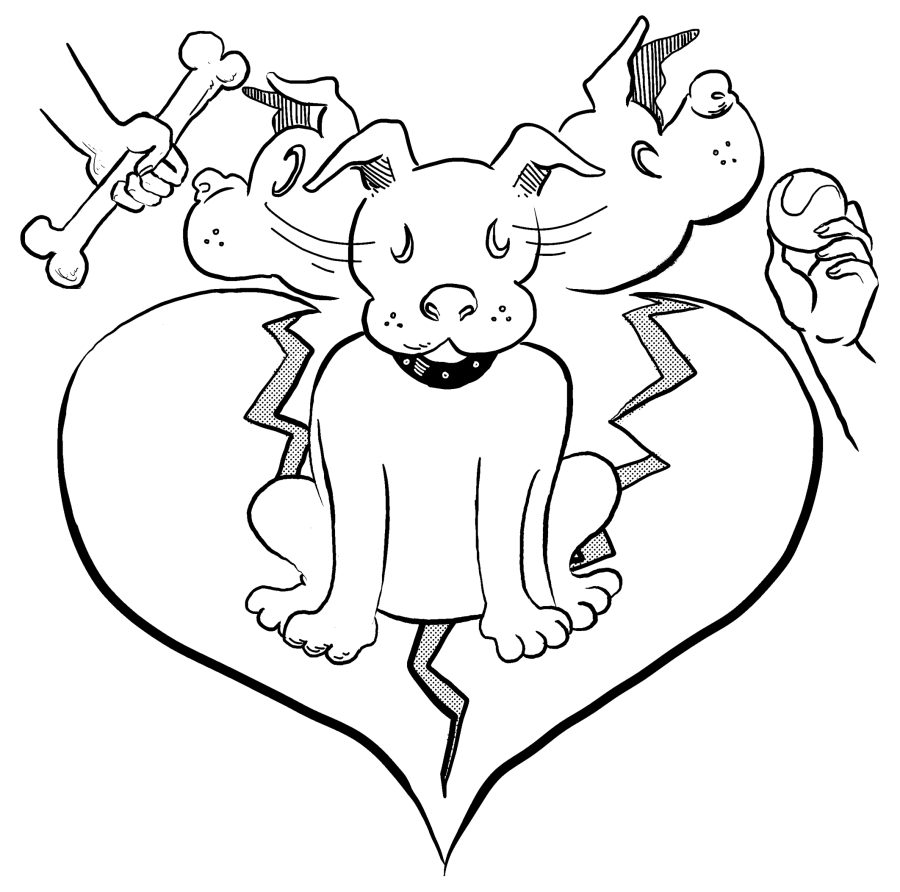
My ex and I are fighting over the dog. We got him together, and now that we’re split up, neither of us wants to give him up. I’ve done more of the vet appointments, food, medication, etc., but my ex has more space and swears the dog is happier there. We’ve tried splitting his time, but every pick-up and drop-off turns into an argument. At this point I’m starting to wonder if we’re actually doing this for the dog or just using him as a reason to keep fighting with each other. How do you figure out who gets the pet when both people genuinely love him? And how do you know when “shared custody” is actually making things worse?
Pet custody is not a breakup problem that anyone prepares you for. There isn’t a breakup checklist that says, “Return the hoodie, cancel the Netflix account, determine which of you gets custody of the family member you both consider your child.”
I’ll be honest: The hardest but most important distinction here is that what feels fair to the two of you and what’s best for your dog might not be the same thing.
It sounds like a lot of the tension lies in both of you trying to prove you love him by proving that you’re the better home for him. I completely get it. Losing your dog when you’re already grieving a relationship is devastating. It’s a tangible loss of one of the pieces of your old life. You mention wondering if you’re using him as a reason to keep fighting with each other, which is incredibly insightful. Losing the dog, for either one of you, will be another loss of connection to someone you loved, even if you don’t want the person or the relationship back.
So, before we start keeping score, like who has been buying food, going to the vet, has the bigger yard, etc., I’d like to propose a question. Less emotionally satisfying, but ultimately the most important: Where does your dog seem happiest, safest, and most settled?
If the answer is genuinely “both,” maybe shared custody can work. However, if every drop-off and pick-up creates an opportunity for the two of you to re-open the wounds of the breakup, I’d advise you to reflect on that. Dogs are amazingly intuitive and pick up on tension. With that in mind, “50/50” may not be the healthiest arrangement even if it sounds the most fair.
I say this with complete compassion for your situation: You might have to accept that there isn’t going to be a solution where no one hurts. That’s the really shitty part. One person may have to let go of something they want because the emotional warfare and fighting is worse for everyone—including the dog.
And if you’re the one who ends up without him, that doesn’t mean you loved him any less. It means you made a decision based on his needs instead of using him to stay connected to a relationship that has already ended, which is very mature and emotionally healthy. It’s also hard as hell and I hate it for you.
I’m tired of being the responsible friend. I’m the one everyone calls when they’re having a meltdown, need a favor, or have made yet another questionable life choice. I love my friends, but sometimes I wish someone would check on me for a change. The thing is, I’m not great at asking for help, and I think people have gotten used to me being fine. How do I stop being everyone’s go-to person?
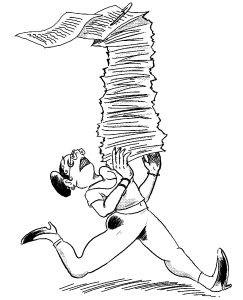
Oh, my dear. You’ve accidentally become the group parent. I suspect the problem probably isn’t that you’re too helpful, it’s that you’re so good at being capable that everyone—including you—has started confusing capable with available.
Being the “responsible friend” can be a trap. People begin to hand you things because you’re good at holding them, but eventually you’re left standing there with everyone’s emotional baggage wondering why your arms are so tired.
Now for the therapist-y part: Being needed can become an identity. Being the “reliable” friend might feel safer to you than acknowledging your own needs. If you’re solving everyone else’s problems, then you don’t have to risk being vulnerable, disappointed, or told no. So, let’s talk about changing the pattern. It doesn’t require a dramatic resignation from the position of Friend Who Has Their Shit Together. Let’s start much smaller.
Stop answering immediately. Try letting someone else drive. “I can’t tonight, but I can talk tomorrow” is a good start. And when tomorrow comes and your friend brings you the same problem for the 47th time, you’re allowed to ask, “Do you want advice, or do you just want me to listen?” You’ll be shocked at how often people don’t actually need you to fix anything.
A few takeaways:
A boundary isn’t a punishment. You’re not abandoning anyone because you aren’t available to them at all times.
It’s possible to love and support someone meaningfully and resist picking up the phone every time they set their lives on fire.
Being the friend who has their shit together does not mean you have to have everyone else’s shit together too. You’re allowed to be a mess. You’re allowed to need help, say no, and let people figure out their own problems. If your friendships only survive when you’re holding things together, that’s worth paying attention to. You’re a friend, not a 24-hour crisis hotline.
If you need to speak to someone right away, call 504-269-COPE (2673). The COPE crisis line provides free, confidential crisis counseling, suicide prevention and information, and mental health referral services 24 hours a day, 7 days a week.
Submit your questions to goodcounsel@antigravitymagazine.com (email and sender info will remain confidential), or use our anonymous Google form.
illustrations by Romey Petite
