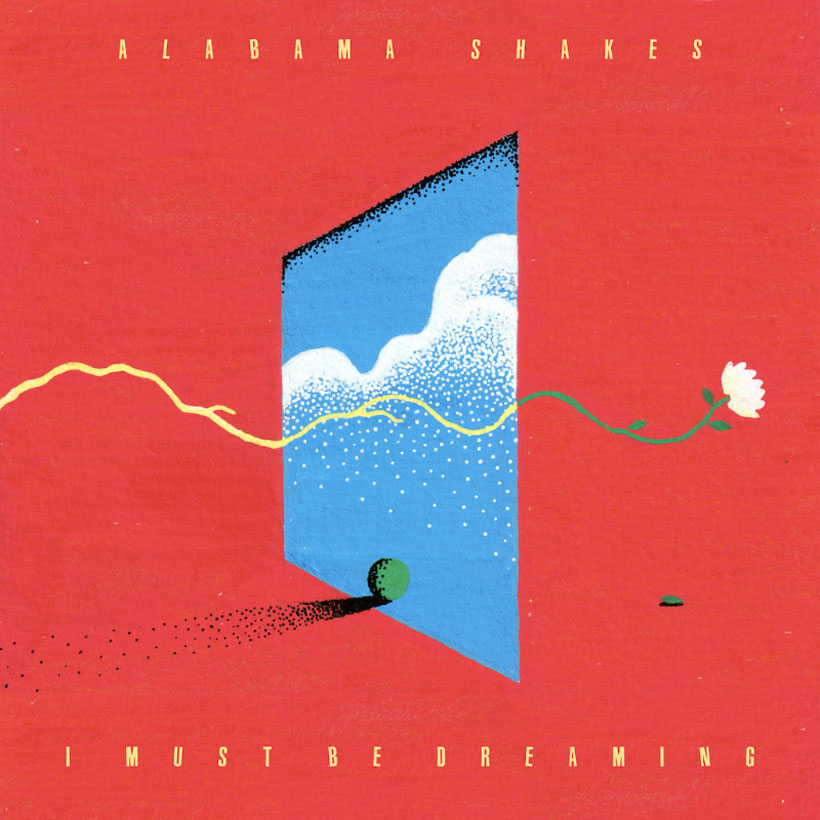
It’s been 11 years since Alabama Shakes released an album as a band, as lead singer Brittany Howard has spent the past decade pursuing solo work. So when the group announced the release of a new record, I Must Be Dreaming, fans indeed thought they may wake to find it was all gossamer and stardust. Thankfully, the dream has substance after all. The band leans deep into the groove for this album, not only through Howard’s soulful vocals, but with augmentation from stunning bass, spacey psychedelic synth, and crunchy guitar. Ultimately, this is a record about love—lost, found, and yearned for—on both personal and societal levels. On opener “Tea Time,” Howard speaks of building a kingdom in her soul where fires once burned, but flowers now grow. “Another Life” slices open old wounds and ponders the question of whether lost love can live again. On “Garden,” she warns a romantic rival that “If you don’t water your garden, I will.” This pattern continues as the Shakes plumb the depths of contentment in genuine love (“Time” and “Easy“) and yearning for reciprocal love (“How Love’s Supposed To Go” and “Tied To You“). The yearning for societal love and repair is also present, alongside the tension of wondering how things got so bad. “I Feel Hope Coming” tries to keep the flame of love lit. On “American Dream,” Howard more explicitly takes the current administration to task with lyrics like “Out of reach, doublespeak / Got the White House pretty and pimped out / Gun reform, my body, my choice / Got the big TV to show you what you didn’t even know you wanted / Got the EPA, sure is hot today / Low-grade fever, lower-wage people / How many folks got shot this week? / Mm, it’s enough to make you wanna go back to sleep.” And yet, the last 90 seconds of the song consist of plodding instrumentation with steady bass and a distant, ghostly chorus of “keep dreaming.” It suggests that love is the ultimate underpinning of our lives individually and collectively, and without it, we’ll never wake fully from the nightmare of this existence. —Erin Hall
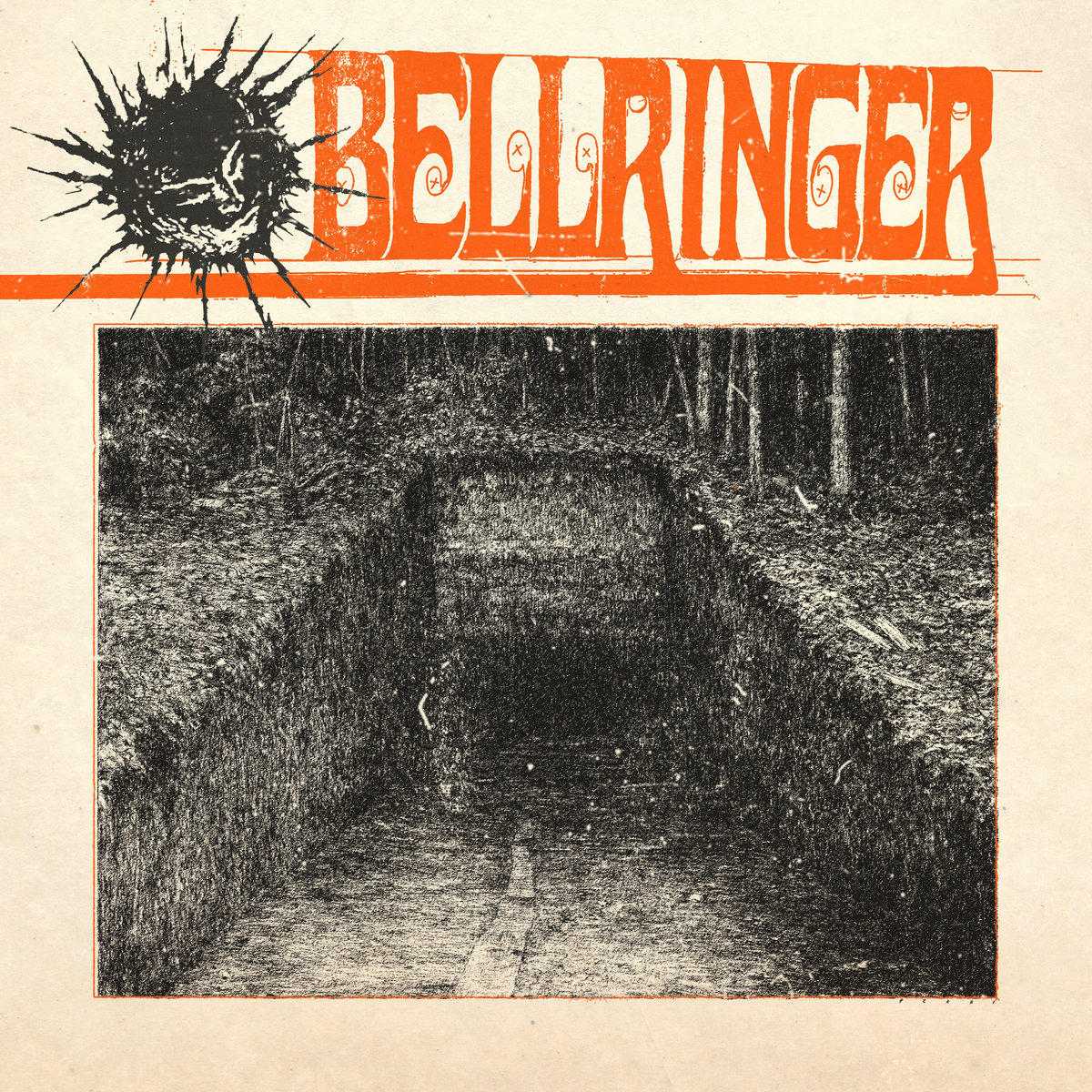
With a cursory glance at the cover art, you can glimpse the core struggle of is this the afterlife. Appearing like a gateway to Hades, the album is “for all the buddies that didn’t make it,” with every song feeling like an episode of life either in an uphill trudge or a tailspinning descent. Bellringer is Summer Newman’s side project—Newman’s better known as the guitarist and vocalist of New Orleans folk punk band Holy Locust. This LP also features songwriting help from Twisted Teens member Caspian Hollywell (who recorded, produced, mixed, and plays guitar on the LP). It’s a folk-punk-adjacent record influenced by traditional Americana and Irish folk music (notably featuring Ian Lynch of Lankum on “Attention”), but with more pop and indie-rock songwriting. Opener “Ride” seems to sample the quiet rhythm of windshield wipers at full blast in a downpour before launching into a twangy guitar melody, joyous synths, and steady drums like a roller coaster crawling upward to the big drop. Static crackles in the dead air all around the album, along with other little so-called imperfections like doors creaking open and dogs barking, adding to its rootsy vibe. Newman is a powerful vocalist with a penchant for melodies experimenting beyond her influences. “You Leave” is surprising, feeling more in line with bedroom pop à la early Clairo, and about as far away from crusty folk punk as you can get. Overall, this second album from Bellringer is more world-weary than the 2024 debut The Field, but persists in blissful defiance. —Dalton Spangler
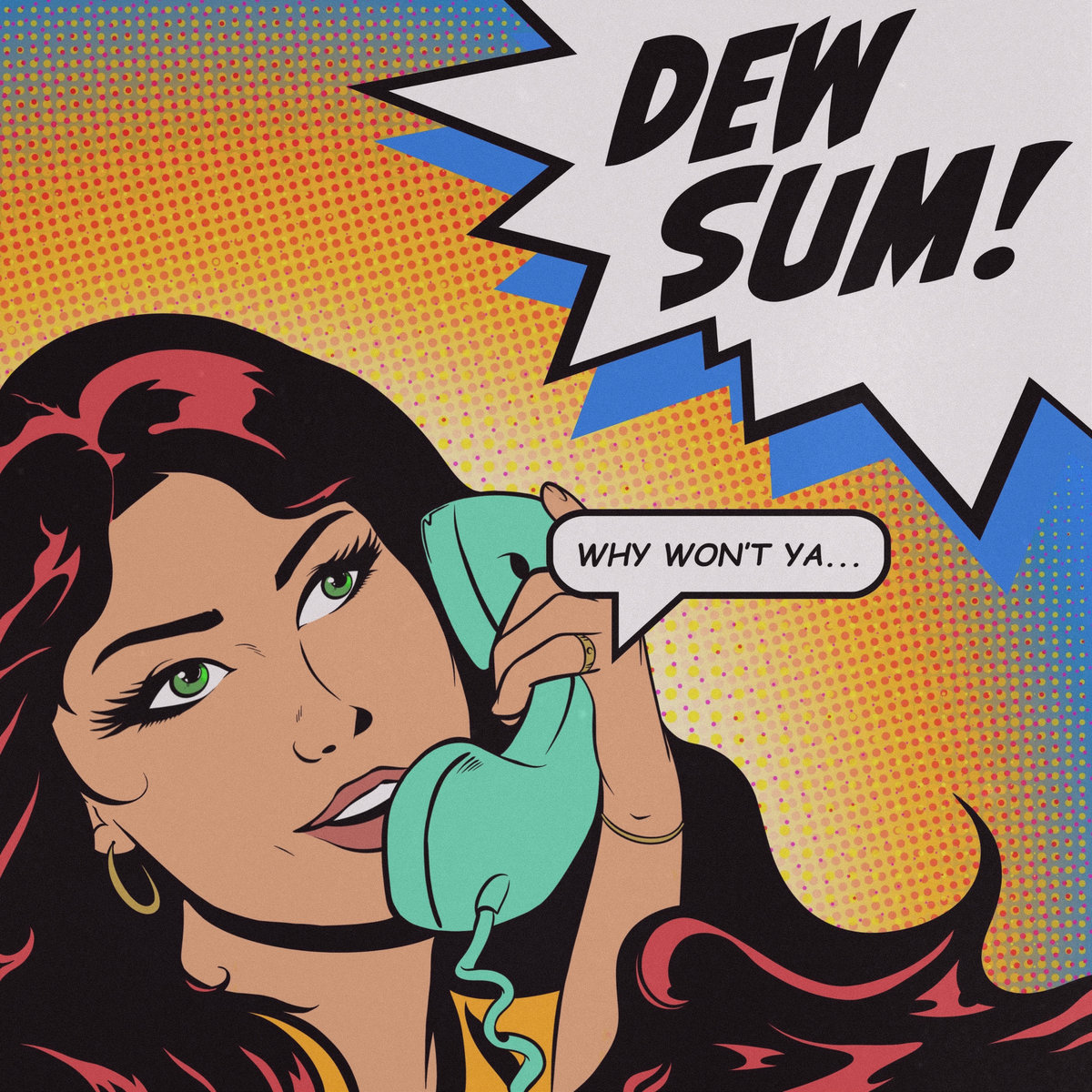
I first saw the Dewdrops live during my first week in New Orleans. I felt young, lonely, and out of place. Now, over two years later, I’ve settled into my skin here, and so, it seems, has this band of Loyola grads. This is most obvious on the track “It’s A Matter Of Fact,” a rerecording of a single released in October 2024. The instrumentalists work in conversation with the band’s vocalist, Alicia Ynez, passing the melody between them, building up and up until the song culminates in a solo section where trombonist Eli Fisher and trumpeter Andy Dufrene engage in a lively call-and-response until they all trip back down to a baseline groove. The tempo here is slightly faster than on the original release, allowing Ynez to really impress with her staccato, rapid-fire delivery. Her voice and where she can push it remains the key ingredient of the emotional core of the record throughout, especially with “GLORY,” a gospel-style love song that involves some substantial vocal acrobatics, and her sudden dynamic changes on the playful, jaunty “What I’m Not.” The grooves get a little repetitive at times, but that’s the worst I can say. Dew Sum’! is a good example of what this city does best: making jazz feel alive. —Robyn Kopeny

Grieving loved ones is never an easy process, regardless of whether they are people or pets. On Mike & Beignet Go to the Zoo, percussionist Mike Dillon—known for his work with everyone from local jazz group Nolatet to the eccentric Les Claypool—navigates both the loss of friends and the deteriorating health of his beloved dog Beignet. Dillon works through the pain by crafting instrumentals that reimagine his late friends as animals that he and Beignet encounter on a joyful trip to the zoo. Jazz icon Ellis Marsalis is given new life as “Ellis the Penguin” and local underground legend Hollise Murphy becomes “Hollise the Meerkat.” Dillon, credited with 17 different percussive instruments on this album, plays like a kid in a candy store on richly layered compositions with charming titles like “Gibby Plays Possum” and “Gorilla and Zebra Birthday Party.” Longtime collaborators Brian Haas (Nolatet) and Earl Harvin (Billy Goat) appear sporadically throughout the album, but Mike & Beignet Go to the Zoo is primarily an intimate affair built on layer after layer of Dillon bashing away at instruments such as the vibraphone, tubular bells, and a MIDI instrument called a MalletKAT to glorious result. Sprawling nine-minute-long closer “Beignet Greets the Owl,” a pulsating ambient piece built on distortion and tabla, imagines an owl taking Beignet to what Dillon describes as “the ultimate ‘zoo in the sky.’” Just weeks after completing these sessions, Dillon’s dear companion Beignet passed away, but his memory and those of so many more continue to live on through this heartwarming collection of tributes. —William Archambeault
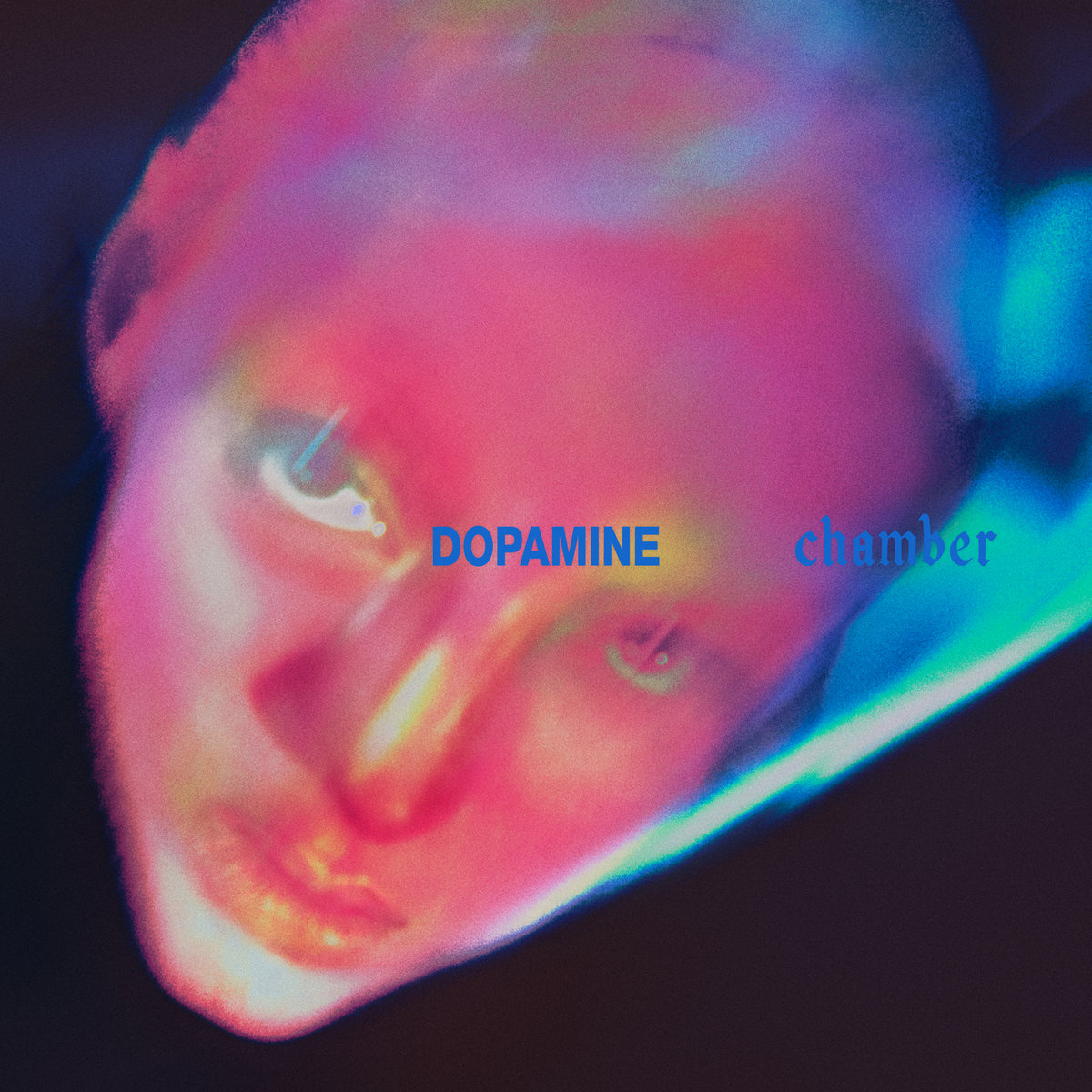
It has been seven years since their debut, and Fontaines D.C. now sell out large venues instead of small clubs, their original post-punk sound having evolved into something grander. It would be tempting to label them as “sellouts,” but that would be lazy. Their social consciousness and analysis of the modern world remain sharp, and their musical evolution reveals a band unwilling to rely on the same old tricks. Dopamine Chamber, their fifth and latest album, is a concept album built around our willing surrender to the seductive and destructive forces of modern technology. Taking cues from bands like The Cure and New Order, the songs are gorgeous and expansive, a glittery musical package that belies the foreboding question just beneath the surface: What do our lives, and our loves, amount to as we allow our world to become more dominated by social media and A.I.? On “Marianne,” lead singer Grian Chatten, in character and accompanied by moody strings and synths, makes the offer, “You can follow my lead / I can help you disappear,” words that feel more like a threat than salvation. “Where Is Gone?” sounds like it could be the theme for a Bond film and features Rosalía on guest vocals and is a stunning and heartbreaking tale of modern love spiritually reminiscent of Nick Cave and PJ Harvey’s “Henry Lee.” “Mimesis,” with its shiny, New Order-esque synths and guitars, wrestles with the need for true human connection in a world where external validation has become currency. With Dopamine Chamber, Fontaines D.C. challenges us to face the unsettling truths of our reality and to remember what it is to be human, pain and all, before we all fully succumb to the hollowing forces of modern tech. —Mary Beth Campbell
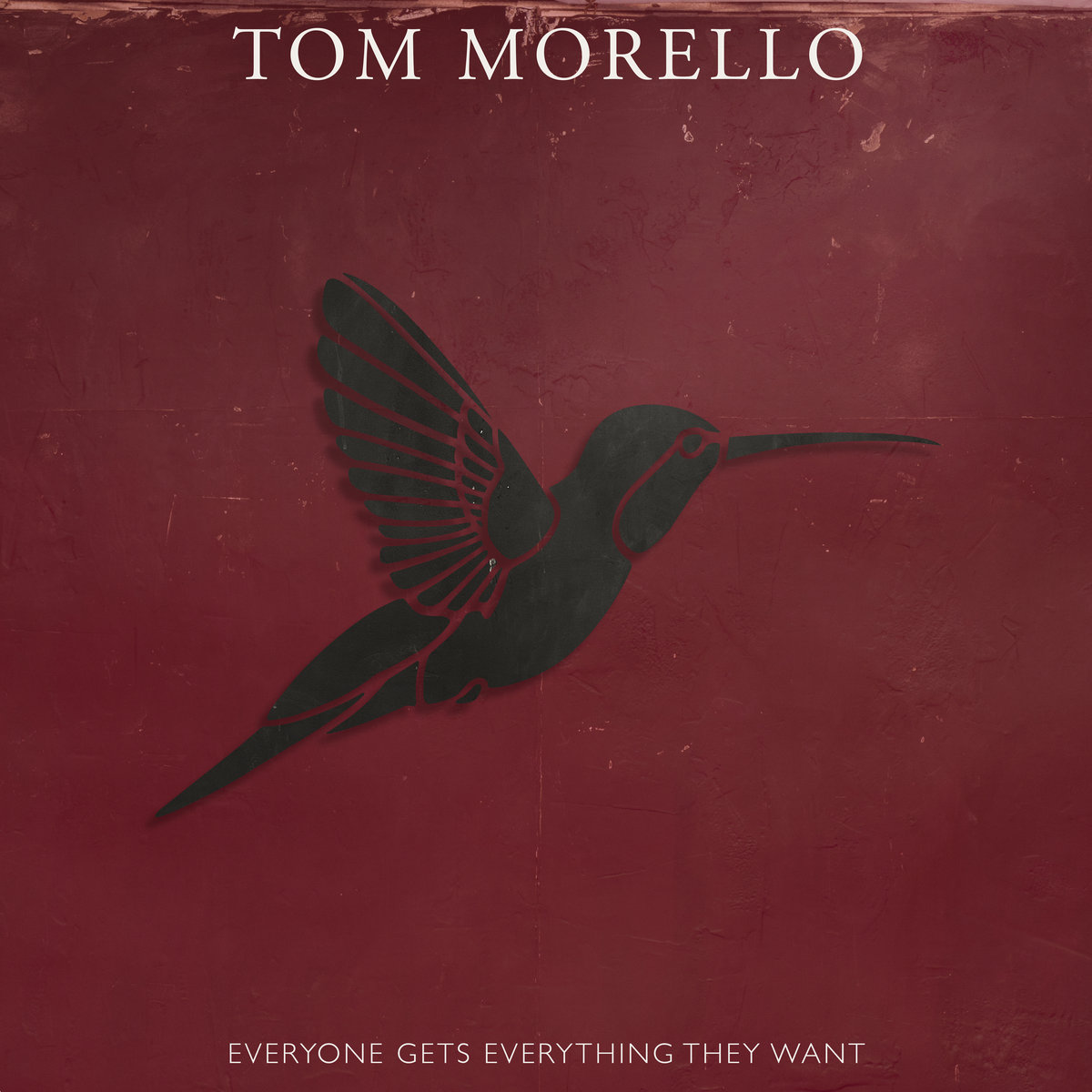
Living legend, rock icon, and one of the greatest guitarists of all time, Tom Morello has spent most of his life developing his musical prowess as a revolutionary weapon against fascism, colonialism, and militarism. Morello’s dizzyingly long resume includes acts like Rage Against the Machine, Street Sweeper Social Club (with rapper/director Boots Riley), his solo project The Nightwatchman, and supergroups Prophets of Rage and Audioslave, plus collaborations with the likes of Bruce Springsteen, Pussy Riot, Run-D.M.C., X Ambassadors, and more. His history of political activism is as famous as his musical resume—he is an ACLU Smart Justice Ambassador and founding member of nonprofit Axis of Justice. In this vein, Morello takes every opportunity to disparage and speak out against racism, immigration raids, corrupt politicians, capitalistic overreach, and more in Everyone Gets Everything They Want. Featuring an iconic list of guest features, this nostalgic album also highlights the best of Morello’s signature sound. Though some lyrics are reminiscent of a rock opera, a bit on the nose (perhaps even melodramatic), the album finds itself by track three, “Adjourn It,” (featuring Serj Tankian of System of a Down) and gains momentum from there. “Unconquered,” featuring Irish rap group and activists Kneecap, is a tour de force, a standout track with lyrics performed in both Irish and English. It’s a legendary team-up emblematic of the entire album’s revolutionary spirit: “Let the rich go / Colonize Mars / I prefer the gutter / Looking up at the stars.” Co-written with his son Roman Morello, the song “Date Night” has a melody that’s so Tom, it’s hard to believe Roman wrote it—but he is clearly his father’s son, playing an inspirational role for the album as well as contributing original riffs for five tracks. In Everyone Gets Everything They Want, Morello’s pen and sword are equally mighty. —Terra Durio
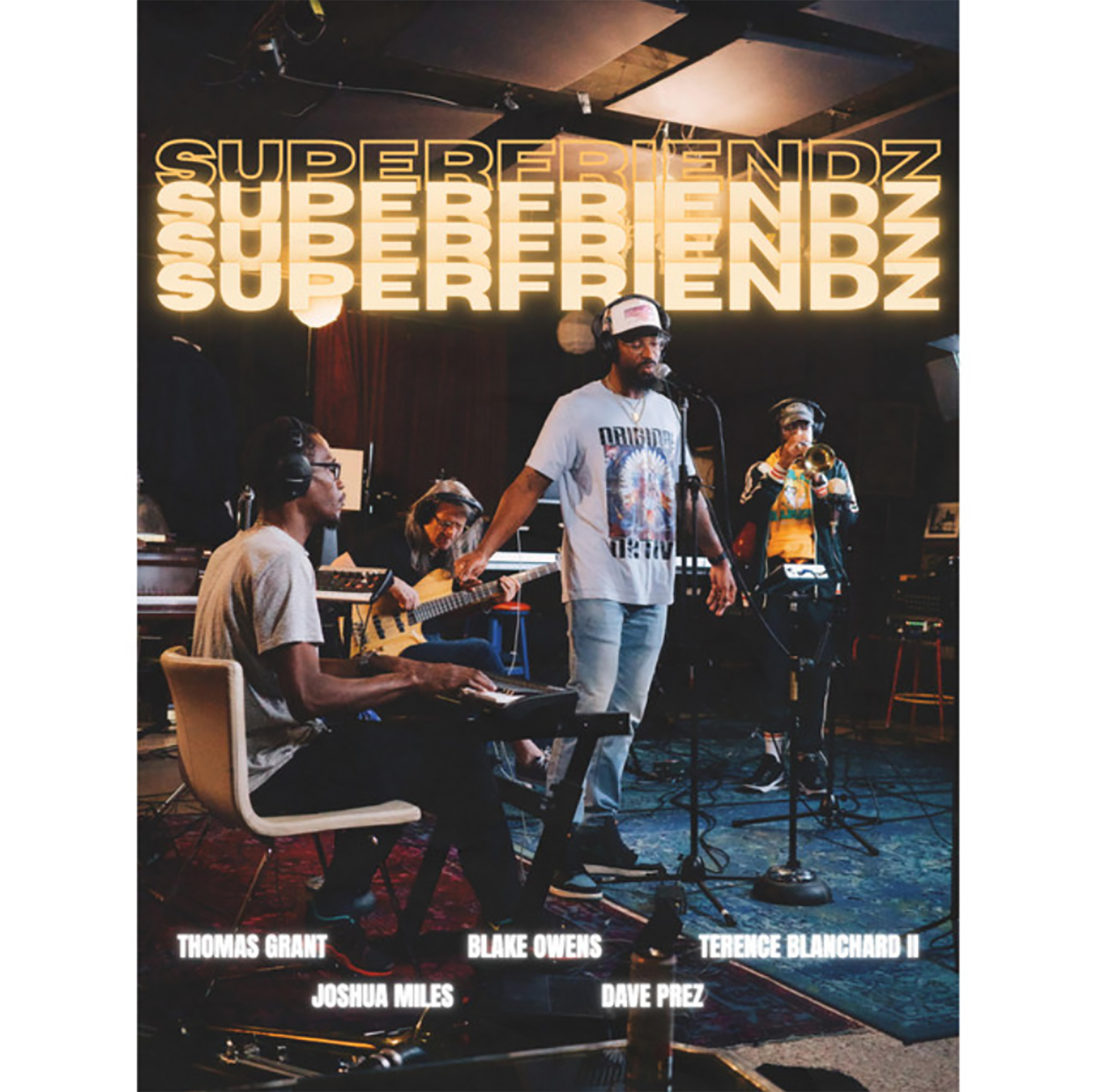
One of the most important albums I ever listened to as a child was legendary R&B band Mint Condition’s 1996 album Definition of a Band. Much like their previous albums, it was difficult to place their sound; it wasn’t just a funk album, or a hip-hop album, or even a neo-soul album. Thirty years later, a New Orleans-based band known simply as The SuperFriendz—featuring Terence Blanchard II (Terence Blanchard’s son), Dave Prez, Thomas Grant, Joshua Miles and rapper Blake Owens—has combined elements of neo-soul, hip-hop, and jazz to create their first EP, Unplugged. The opener, which uses Kool & The Gang’s “Summer Madness” and carries the same name, showcases Owens’ sterling storytelling skills on the mic where he talks about the post-Katrina gentrification of New Orleans with lyrics such as, “They kicked us out / But wanna keep all the culture.” On the second track “Trust In Me,” The SuperFriendz are joined by Chicagoan-turned-New Orleanian vocalist Jaime Woods, and the track hearkens back to the spirit of The Roots’ classic “You Got Me.” Woods is showcased again on the track “Me and You,” which tells the story of a relationship going through the traditional ups and downs. On the closer “Culture,” Owens raps once again about post-Katrina gentrification, discussing the myth of affordable housing in the city with the line “Because this affordable housing I can’t afford.” Despite the EP clocking in under 15 minutes, Unplugged is without question worth a listen due to the outstanding musicianship on each of the four tracks—the scant runtime leaves the listener wanting more. —Ryne Hancock
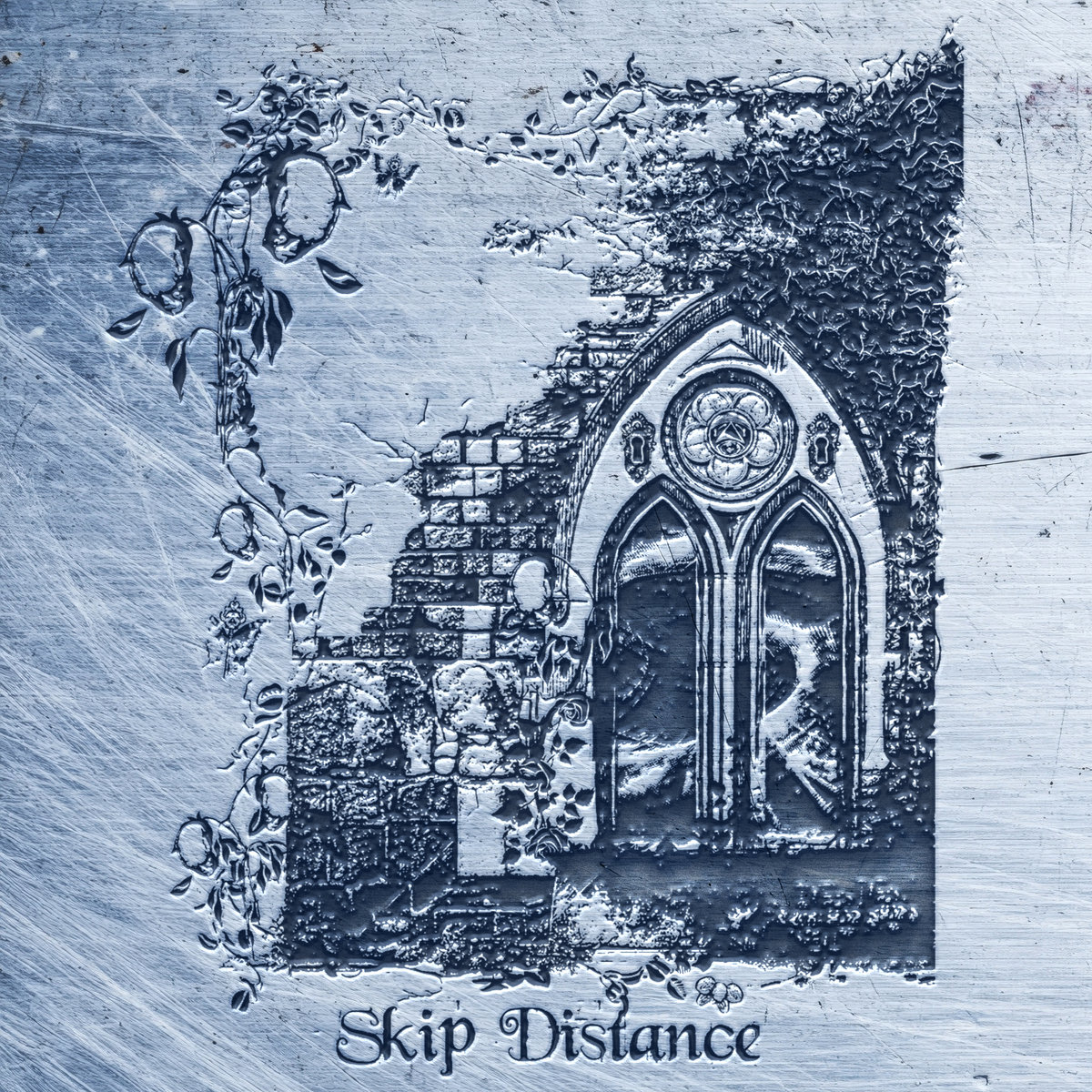
The youths yearn for post-hardcore. And not the club-dragging beatdown kind. No, the good stuff—the melodramatic, sassy kind full of bad poetry, which Baton Rouge quintet Skip Distance delivers on their self-titled debut EP. Utilizing harmonies and clashing vocals between two or three voices, with Claire Use’ often leading the way, Skip Distance reminds me of other indie-tinged emo bands, like if Tigers Jaw had more bite. For a brief EP, they demonstrate the range of a seasoned touring band, not a scrappy DIY project. Take the track “Gravity Well,” which starts almost like a slowcore song with lumbering bass and hushed vocals before palpitating into gnashing guitars and rabid drums as the emotions ramp up. They’re clearly a virtuosic bunch of musicians, made all the more impressive by the crisp, professional studio-level recording that avoids feeling overproduced. The lyrics often deal with the anxieties of young adult life: fearing the future, missing the past, and fumbling through relationships and emotions, using phrases like “clipped to the back rooms” to explain social isolation or “cosplaying” to hide the hurt. Skip Distance is timeless angst in modern terms. —Dalton Spangler
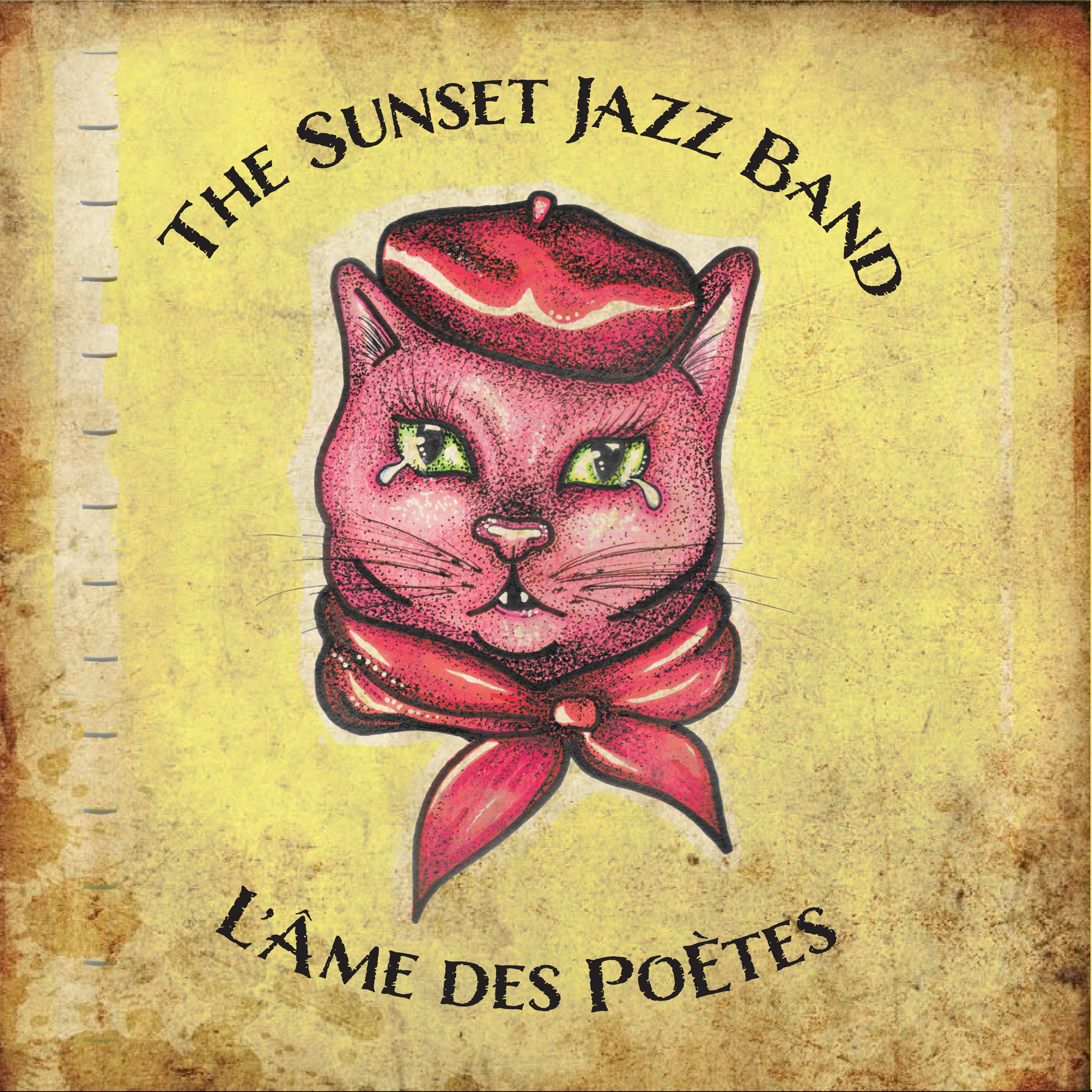
During the pandemic, a group of Francophile musicians started meeting at sunset to play the music of celebrated French singer Georges Brassens—thus The Sunset Jazz Band was formed. Eventually, they moved from the park to gigs in downtown bars, and this month they are releasing L’âme Des Poètes (The Soul of the Poets) as a short and sweet homage to the master of the chanson. Historically, chansonniers played beautiful music, but they were also storytellers and social commentators. In the same vein, Brassens wrote prolifically on subjects from the refined to the lowbrow, combining a poet’s delicate sensibilities with the disdain for authority that has always characterized France’s populist musical tradition. The Sunset Jazz Band’s Brassens selections are a great introduction to Brassens. “La Marine” is a cheeky ode to brief and passionate encounters, and “Les Copains D’abord” pays tribute to the importance of friendship. On the final track “Mourir Pour Des Idées,” his contrarianism and lyrical precision are on full display. With a wink and a smirk, Brassens feints and parries with the worldview of ideological extremists who endorse martyrdom, and so forget to fight for life. The album also peppers in non-Brassens material from some of his contemporaries. Musically, the songs fit nicely with the band’s New Orleans manouche sound, though the deep dive into Brassens is what really shines. All told, L’âme Des Poètes is an absolute French pastry of an album, with an adorable cover illustration by ANTIGRAVITY’s own Laura Frizzell as the cherry on top. —Holly Devon

The last thing on my mind as fire ants chewed me up on an Audubon Park bench was how “wild and precious” life was. But that’s what vocalist Una Wagner, of New Orleans post-punk band Weird 1000, mused about in my headphones as I rolled up my pant legs and banged my Converse on the pavement. On “Grass,” the jangly, fuzzy opener about a lovely day outdoors, she describes a grasshopper and the awe-inspiring weirdness of the world as a chugging bassline thumps frantically. Picking fire ants off made me realize what Weird 1000’s debut EP Just Desserts is: overstimulation. The song “Input” is lyrically about being inundated with information, while the band, a lifeguard whistle, and what sounds like an opera singer get progressively louder and surround the listener. Later, “Kaiju Colossus,” a song about taking up space in a way only a colossal monster like Godzilla could, follows a similar trajectory structure-wise, with bouncing bass and drums driving the song off a cliff as Wagner alternates between talk-singing, screaming, and more operatic vocals. As unpleasant as this may all sound, post-punk has a history of being its best when it’s totally wired, wound up, and springy. Weird 1000 continues that tradition and then some. —Dalton Spangler

In recent years, a wave of Cuban musicians has been flooding the New Orleans music scene, thanks in no small part to the sustained efforts of CubaNOLA Arts Collective, an organization devoted to strengthening ties between New Orleans and Cuba. Davisito + El Negro Live from New Orleans is proof positive of this miraculous phenomenon. Even if you’ve grown accustomed to regular encounters with Cuban musical wizardry, the Snug Harbor album release party was something special. At such an intimate venue, the sparks flying from trumpeter Davisito Navarro and his assembled A Team (featuring the impossibly cool guest percussionist Yissy Garcia) practically constituted a fire hazard. Jazz is a genre that requires a certain level of virtuosity to play, but it takes more than skill to make the music really come alive. Whatever that X factor is, Navarro has it in spades. Those who missed the show can take heart: Listening to the live album gives you the same contact high that you get up close and personal. Upbeat tracks like “Hollygrove Groove” and “La Conga” bring some heavy Cuban polyrhythms—the percussionist on the album is Navarro’s collaborator and master drummer Horacio “El Negro” Hernández. A strident trumpet elevates these dance numbers, though his horn makes just as much impact when Navarro cools it down. On “Gazing At The Moon,” Navarro’s trumpet is all tenderness, with Oscar Rossignoli delicately circling his plaintive notes on piano. On “Davisito Blues,” Rossignoli gives his keys the New Orleans treatment, and Navarro follows suit on trumpet. The result is a kind of reversal of Dizzy Gillespie’s incorporation of Afro-Cuban rhythms into American jazz, a sign that the Cuban presence in New Orleans music will continue to be as fruitful as it is fateful. —Holly Devon

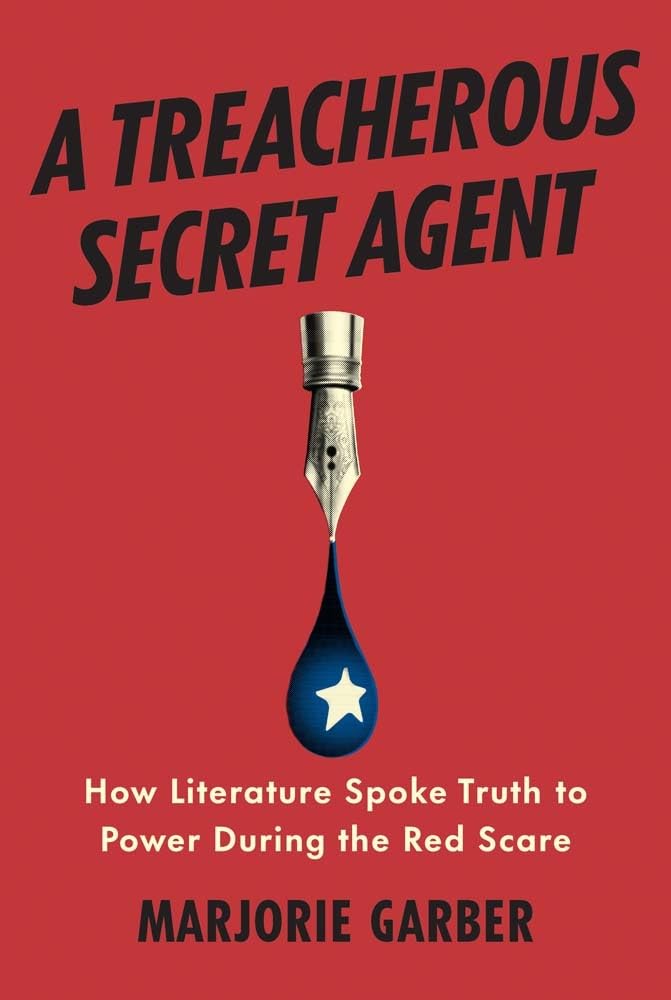
In Chris Bachelder’s satirical 2006 novel U.S.!, an immortal version of socialist author Upton Sinclair symbolizes the American left, repeatedly resurrected to write earnest muckraking material with virtually no effect on the powerful tycoons who inevitably assassinate him once more. “Poets are the unacknowledged legislators of the world,” he insists at one low point, making the quote from Percy Bysshe Shelley sound heartbreakingly naive. That quote appears here too, in a book ostensibly documenting how figures like performer and activist Paul Robeson, physicist J. Robert Oppenheimer, and Shakespeare in the Park creator Joe Papp slyly invoked literature to resist Joe McCarthy, Roy Cohn, and other villains of the postwar Red Scare. The premise is flimsy: A Treacherous Secret Agent is better understood as a series of literary essays by Harvard English professor Marjorie Garber exploring Red Scare madness, tying in related bits of writing from classic authors like Shakespeare and John Donne, and even a surprisingly subtle poem by a young Oppenheimer. As with the work of Bachelder’s Sinclair (or Woody Guthrie’s fascist-killing guitar), there’s little evidence here that well-crafted literary analysis or allusion directly halts tyranny, but plenty of signs the world would be bleaker still in its absence. —Steven Melendez
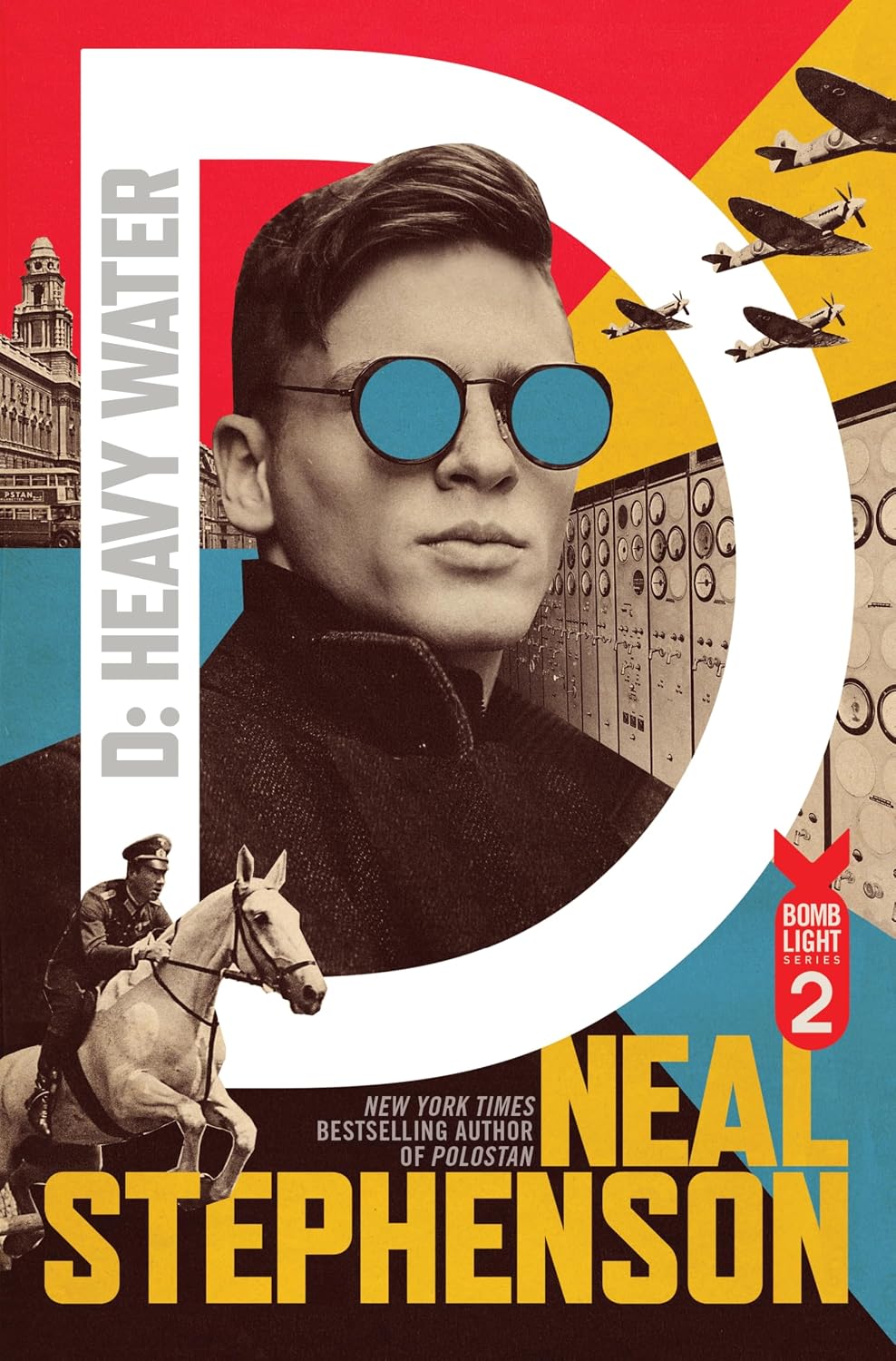
Neal Stephenson will likely always be most associated with 1990s cyberpunk-adjacent science fiction, especially Snow Crash (with its virtual reality “metaverse“) and Cryptonomicon (an adventure involving digital currencies and offshore data centers). Those books were big among young men at the time, so it’s only natural that, three decades later, Stephenson has firmly entered the realm of dad lit, writing historical fiction set around World War II. The second in a series that began with Polostan, D: Heavy Water follows fictional British playboy journalist Owen Crisp-Upjohn into the Spanish Civil War and the real historic missions to smuggle a supply of heavy water—which includes the hydrogen isotope deuterium (D) and can be used in nuclear weapons—out of reach of the Nazis. It’s an engaging tale with many interesting takes on scientific history, but it feels less assured than its predecessor, which followed Owen’s more-interesting wife Aurora. Stephenson understandably avoids depicting too much of the carnage of the Spanish Civil War, but he also struggles to capture his protagonist’s wartime maturation and appears most comfortable depicting the lost world of gentlemanly science and swashbuckling that his novel makes clear was a casualty of fascism and the war. —Steven Melendez
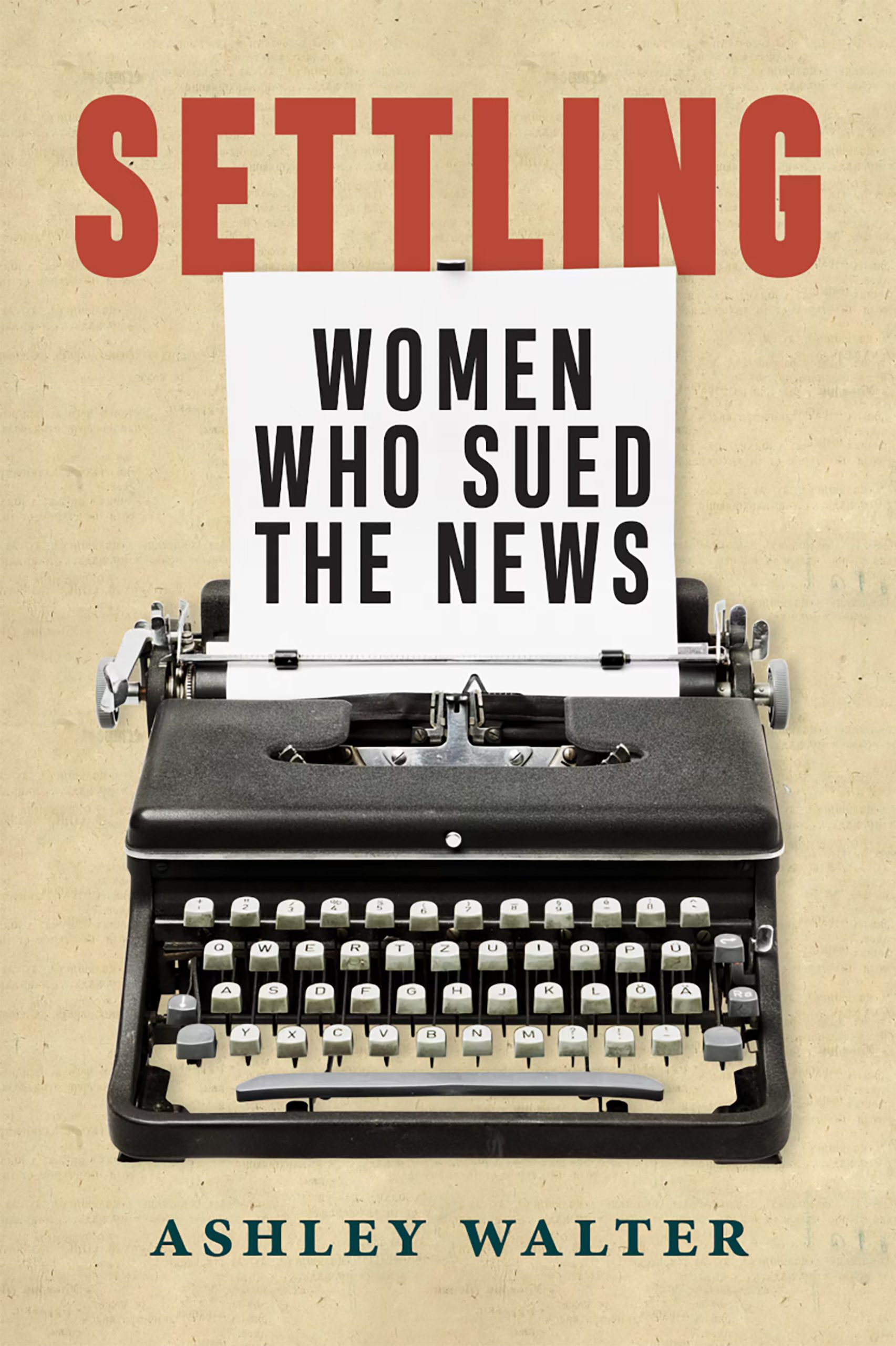
For most of the 20th century, female journalists faced blatant sexism in newsrooms across the United States. As Ashley Walter, a professor at Saint Louis University, documents here, they were largely limited to covering so-called women’s issues and society topics at newspapers, while restricted to “researcher” positions rather than bylined reporting roles at major magazines. On top of that came low pay, sexual harassment, and the sorts of bizarre humiliations that always accompany bigotry and bias. To name just one: being squeezed onto a tiny balcony, straining to hear as male members of the gender-segregated National Press Club chatted below with dignitaries. Change began with the Civil Rights Act of 1964 and, critically, the work and sacrifices of women willing to sue their employers for discrimination. Walter profiles women who took on outlets from The Washington Post to Reader’s Digest despite significant risks to their own careers. Since these cases were only minimally covered by the male-dominated media the women sought to reform, she tells some stories in detail for the first time, documenting what it took to challenge misogynistic policies that controlled purportedly objective newsrooms, in some cases well into the 1980s. —Steven Melendez
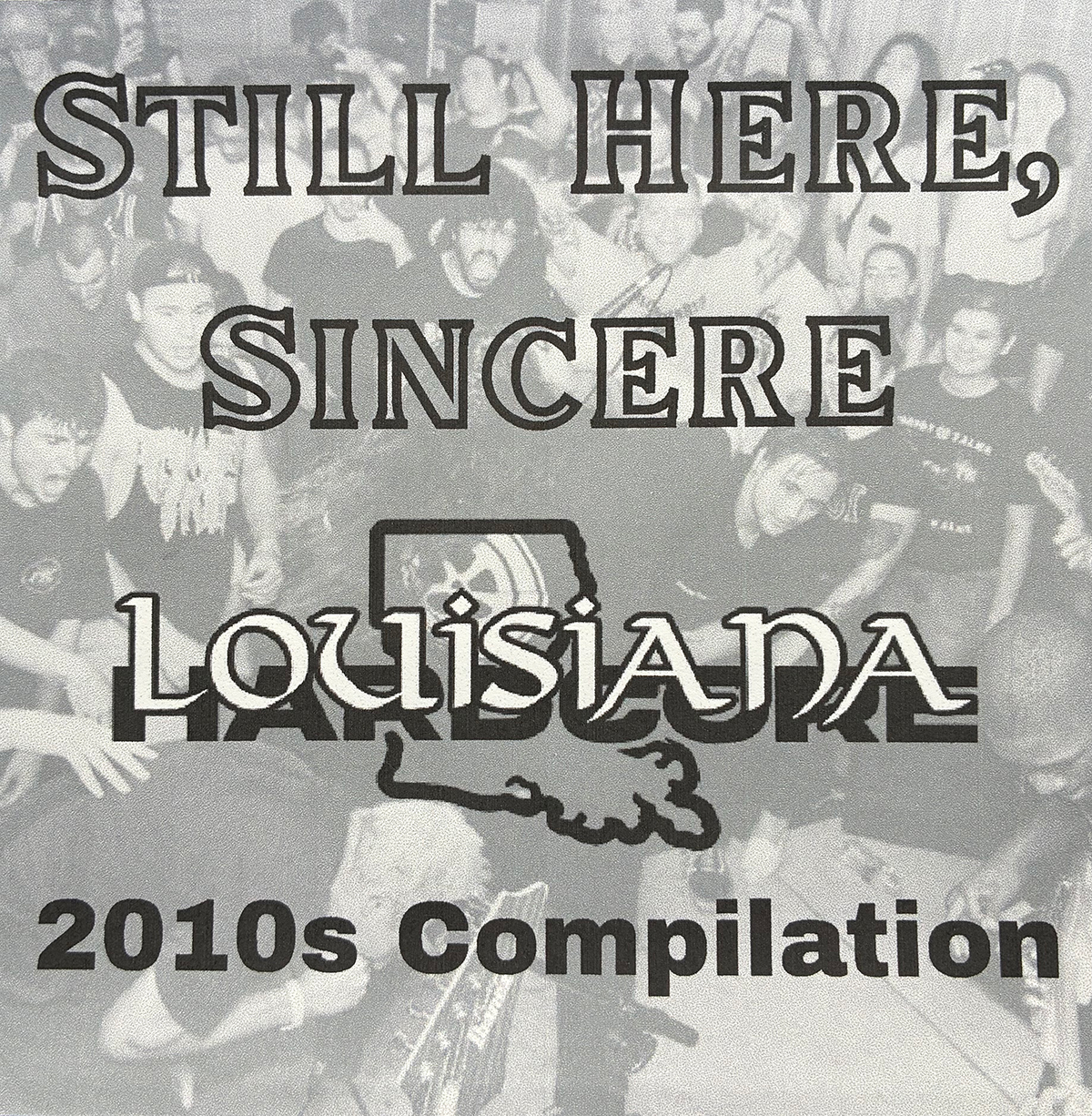
In the age of Facebook band pages and King of the Hill memes, hardcore didn’t get the same attention it does today. I wasn’t around for this era, but the whole premise of this zine-compilation album is that the new scene has a lot of young, new faces, and Noah Felps felt inspired to pass these deep cuts down to the uninitiated like me. Making a compilation for a decade like this is a bit of a fool’s errand because there’s always a line you have to draw regarding what does and doesn’t make the cut. Felps doesn’t claim to show the full picture (even going as far as to say some of the show dates in the book can be as far off as an entire year). And as with most compilations, it’s kind of a mixed bag. It has tinges of sludge, doom, death, thrash, straight edge, and pop punk. Some of the bands come off a little too meathead tough guy for my tastes, but it still has some exciting discoveries in the tracklist. I knew local legends like Thou, Holeopener, and Fat Stupid Ugly People (featuring the late Hollise Murphy); but there were some surprises like No Youth, Martyr of Men, Colonies, and Forged By Hate. In the zine, you can also find some significant touring bands who stopped off into the scene, usually passing through to bigger places (bands like Knocked Loose, Power Trip, Turnstile, and Title Fight). In addition to all this, the zine has short “local reflections” from various people giving firsthand accounts. Overall, this is a solid pickup for anyone wanting to do their homework on Louisiana hardcore history. —Dalton Spangler

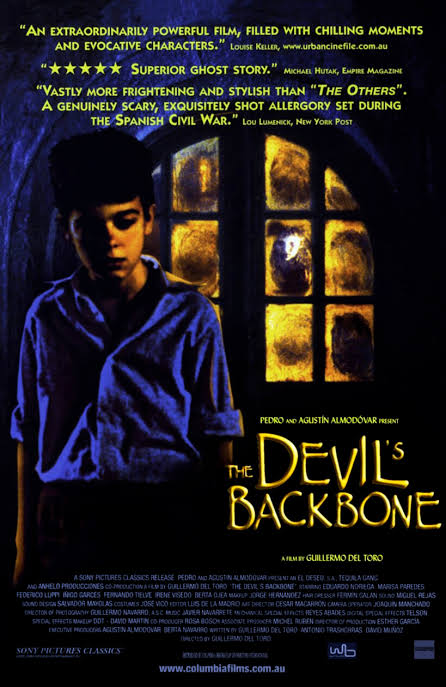
Set during the Spanish Civil War, 2001’s The Devil’s Backbone feels almost like Oscar winner Guillermo del Toro’s proof of concept for his later film Pan’s Labyrinth. A Republican Loyalist soldier leaves Carlos (good name) at an orphanage run by Red sympathizers, with a giant unexploded ordnance sticking out of the ground in the middle of the courtyard. With a satchel full of comics and marbles, Carlos ingratiates himself to the bullies that already live there by not ratting on them. He soon encounters Santi, the ghost of a boy with a pretty hefty head wound who haunts the orphanage. Santi died recently under mysterious circumstances, and the staff have their own wartime concerns as death lingers around them. Affairs, dead siblings, and gold seem far more important to adults than the concerns about ghosts from some parentless kids. The CGI, especially around the ghost, whet del Toro’s appetite for more of what would come in his horror-laden career. Depending on how you define horror movies, The Devil’s Backbone may not fall into that category for you. My partner described it as “a thriller with a ghost in it” when we watched it recently. But Overlook Film Festival definitely counts it for their monthly horror screenings (at the Prytania Theatre Uptown on November 22 and 23). —Carlos A. Molina
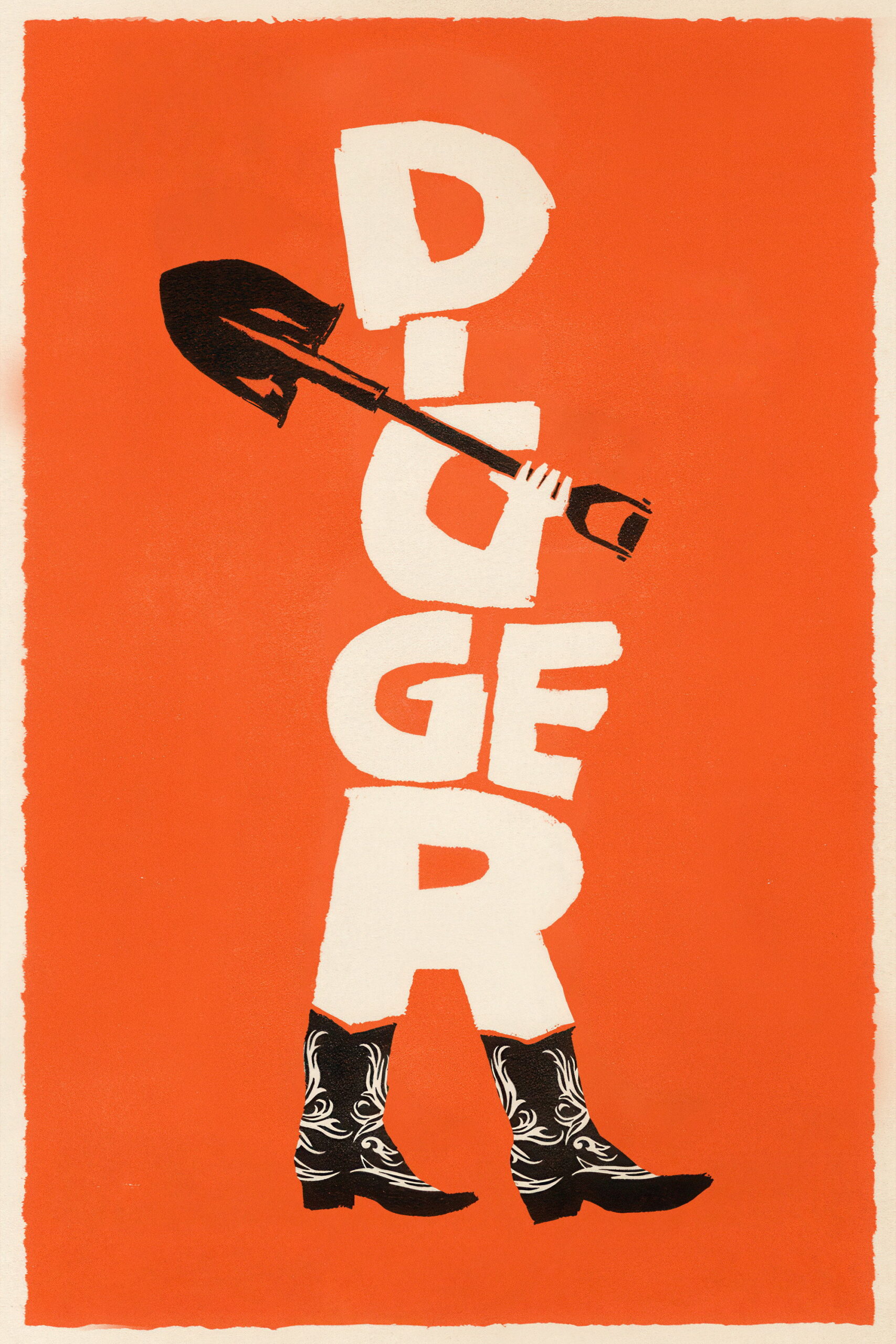
I think Alejandro G. Iñárritu is one of, if not the greatest living filmmaker; I also think most people are stupid, myself included. In Digger, a natural disaster is going to destroy a lot of stupid people in Europe and only the stupid person Digger can save us. If you want more plot, go somewhere else. This movie will have been out for a while by the time you read this, so there’s a good chance you’ll already know the twists, reveals, and conceits. Digger is another example of Iñárritu trying to make something you haven’t seen before, with a clear satirical message, being intentionally marketed in a way that hurts the product financially. That marketing ultimately proves its point. It’s not saying anything we don’t know about climate change, powerful men, and government bureaucrats—that’s what makes our experience so infuriating. This futuristic, meta-Come From Away channels the strangest of Strangeloves, telling us the whole world is a stage, and our confabulation of financial wealth with success has ruined our world in every sense of the word world. The physical planet, society, our minds—whatever you want—are all fucked because we’ve been told money can’t buy happiness, and yet we fail to comprehend how the need for perpetual growth is untenable given such limited resources as time and space. Movies like this should continue to be made. This is a Left-Turn movie where Tom Cruise spends 30 years Saving the Cat and remains unlikeable. If it wasn’t Tom Cruise grotesqueing his exterior visage to his appropriate age and matching his perceived interior persona, would we be having a different conversation about this movie? Possibly. Unfortunately, the people who most need to see this film probably won’t, and on the off chance that they do, they won’t care about what it has to say. —Carlos A. Molina
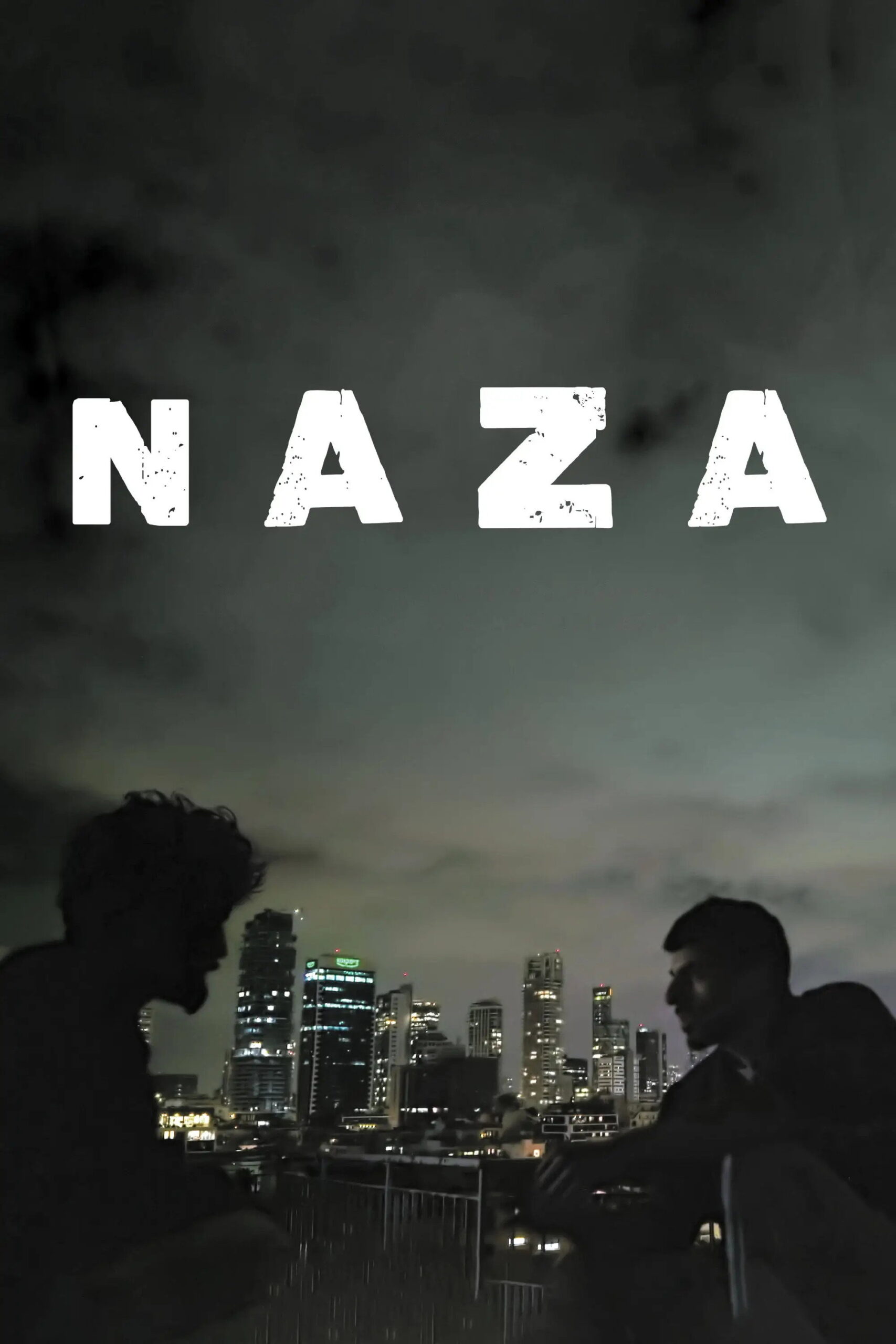
When discussing state-directed evil, it is tempting to focus solely on heads of state. While they bear so much of the blame, what of the so-called ordinary people who carry out their orders, the people who are “just doing their jobs?” This is one of the central questions of NAZA, the latest documentary from Israeli filmmakers and investigative journalists Yuval Abraham and Rachel Szor who, alongside their Palestinian colleagues Basel Adra and Hamdan Ballal, won the Academy Award for Best Documentary Feature for their film No Other Land. Like No Other Land, NAZA has been met with the full fury of the Israeli government. In just the past few weeks, Netanyahu has called for a new law to strip the citizenship of journalists like Abraham and Szor, who have also received death threats, and he has ordered the identification and prosecution of the people interviewed. The film title is an acronym for “nezek agavi,” which means “collateral damage,” and is used by Israeli forces to denote the number of Palestinian civilians murdered in attacks on Gaza. Between 2023 and 2025, Abraham interviewed roughly 24 Israeli intelligence officers and soldiers in person to gain insight into such topics as the Israeli surveillance state’s technology for tracking Palestinians and “Lavender,” an A.I.-driven database and targeting system used to carry out mass killings in Gaza. The information gathered in these interviews has also been published in a series of articles by Abraham and Szor in collaboration with The Guardian, +972, and Local Call. The interviews were filmed at night on rooftops across Tel Aviv, against the glittering modern skyline that is a stark contrast to the devastation in Gaza, just 31 miles down the coast. All 24 interview subjects remained anonymous, cloaked in the darkness of night with their faces, voices, and handwriting distorted—only Abraham is illuminated, a choice that is both practical and could also be seen as a metaphor. Some of the subjects seem to wrestle with their complicity—one even begins to draw parallels between his actions and those of the Nazis, falling short of facing the uncomfortable truth—and all undergo elaborate mental gymnastics to justify their roles. Others describe themselves as being educated liberal elites. Several times, the strikes on Palestinians, made from the comfort of Tel Aviv, are compared to video games. The interviewees’ motivations for participating are never discussed, revealing the facts without engendering sympathy for those who are involved. The only time we hear or see Palestinian voices is at the very end, during footage of one of the countless attacks in Gaza. While the decision to focus on the interviewees makes complete sense, and the ending is a powerful choice, we also can’t ignore the fact that we have been faced with footage and reporting on Gaza for years, not only by Abraham and Szor but also countless Palestinian journalists and civilians. NAZA, as it should, leaves us with many questions, including: Why do we choose to listen to certain voices over others, especially in the context of genocide? And how do we, the ordinary people, turn our own eyes to evil when faced with the choice to defy orders or maintain our own comfort and position? —Mary Beth Campbell

This little ditty about Jack and Diane follows a group of cheerleaders who, after learning one of them is pregnant, decide to rob a supermarket bank branch in what should be iconic doll masks. Francine McDougall’s directorial debut satirizes high school and heist movies, homaging its references as the girls watch the big ones (Heat, Reservoir Dogs, Point Break) for research. It’s veeeery loosely based on a series of robberies committed in the Houston area in 1999, but Lona Williams, the writer, wanted her name removed from the script after so many changes were made to the final product. Marley Shelton stars as Diane, whose budding baby bump launches the entire caper. Mena Suvari plays Kansas, the bad girl of the bunch, and James Marsden serves as the baby-daddy-jock Jack, both of whom carry a lot of the film’s weight with their line deliveries and facial contortions. The soundtrack is perfectly of the time, giving it a quintessential turn-of-the-century sound, featuring such songs as The Nutley Brass’ surfy ska cover of “Blitzkrieg Bop.” Released a few months after the far more popular Bring It On, Sugar & Spice is often overlooked as a cheap knockoff, but it deserves its own recognition as a funny and dark teen comedy with some truly strident one-liners like “He was a bar of chocolate and the whole school was on the rag—everyone wanted a piece.” (Gap Tooth Cinema, along with local filmmaker and Tulane faculty member Robie Flores, are presenting Sugar & Spice at The Broad Theater on November 18.) —Carlos A. Molina

This review contains spoilers.
In 2023, Theranos founder Elizabeth Holmes and her partner Billy Evans invited a documentary film crew, led by directors Nathan Fielder and Lance Oppenheim, to capture Holmes’ final 34 days before going to prison. Two decades earlier, Holmes founded Theranos, whose claims of revolutionizing blood testing later proved fraudulent; she was convicted of defrauding investors and sentenced to 11 years in federal prison. But unlike previous exposés that have brought her international notoriety, You Can See Everything is not actually about Elizabeth Holmes.
Nathan Fielder stepped into mainstream American media in 2013 with his comedy show Nathan for You, a show where he “helps” struggling businesses with outlandish, loophole-laden premises. It was of its era, with contemporaries including The Eric Andre Show and Nirvanna the Band the Show, where the people involved maybe should, but often don’t, know exactly what it is they’re engaging in, and the viewer is constantly wondering what’s real. Nathan for You received its share of criticism, with skeptics arguing it was borderline mean-spirited and cruel. But in the show’s final, 84-minute episode, “Finding Frances,” we see Fielder opening the door to work yet-to-come as he begins going deeper instead of wider. These days, his work increasingly implicates himself as a foundational element of the project. Fielder’s show The Rehearsal—where he attempts to game the unexpected by rehearsing everything ahead of time—illustrates his obsession over getting things right.
In the other co-director corner, Lance Oppenheim is a more traditional documentary filmmaker (Some Kind of Heaven, SPERMWORLD) though he recently made his narrative debut with Primetime—based on Chris Hansen’s NBC show To Catch a Predator.
In You Can See Everything, Fielder shifts away from his previous characters. His typical interview persona dances around his subjects, always giving them just enough rope to hang themselves with. Here, he dials it down, and we see him employing a slightly more standard documentary style, with Oppenheim’s expertise providing a grounding presence. Fielder’s questions are straightforward: He tries to get Holmes to explain her technology—that she swears to this day was not fraudulent—but the questions slide right off of her as if she can’t even understand why he’s confused.
In a brilliant analogy, Fielder shows Holmes the famous Abbott and Costello “Who’s On First?” sketch, the gold standard for comic misunderstanding. Holmes watches the clip and laughs along, but ultimately admits that she doesn’t know what makes it funny. Whether Holmes doesn’t understand the joke or does understand the joke and is lying, You Can See Everything suggests that it doesn’t really matter. This film is far more interested in the minutiae of communication: Every word we use is a decision with its own rippling effects. That language builds its own version of reality, a kind of multiverse we enact each time we speak, and we are left wading through these constructed realities to get at a semblance of truth.
After Holmes goes to prison, the film jumps forward in time. No longer able to directly interact with her, the film transforms into a hall of mirrors. Fielder meets with Amanda Seyfried, who played Elizabeth Holmes in the dramatization The Dropout, and shows Seyfried footage of Holmes watching The Dropout—footage pulled from the first half of the film. Seyfried, understandably overwhelmed, offers her own opinion about Holmes as a person, saying that she doesn’t believe Holmes is as clueless as she purports. She then goes down the rabbit hole with Fielder, offering her likeness in recreating scenes during which Elizabeth Holmes was either not being recorded or was in prison. In these recreations, Fielder is attempting to better understand what was true, and Seyfried weighs in as an actor, as a woman, and as a sort of stand-in for the audience, giving commentary and asking questions as both an outsider to the project and as someone directly implicated in Holmes’ cultural image—commentary which oscillates with each step further into this story.
You Can See Everything repeatedly presents a theory and then immediately undermines that same theory. It credits and discredits all involved at various points, offering no reliable point of view. In a scene Fielder and Seyfried recreate from Fielder’s visit to Holmes in prison, he changes a word in his original script—unsure that he heard it correctly and not wanting to accidentally implicate Holmes. It’s a familiar fear when tasked with representing the truth of another person: Did I get it right? Am I being fair? Have I appropriately contextualized everything around the visible moments? The film proactively asks these questions with its own construction, calling into question the accuracy of both its subjects and its creators. Skepticism abounds. You Can See Everything offers no answers about who is lying, who is telling the truth, or how much of what we’ve just seen is genuine—a maddening and thrilling conclusion that implicates everything we know. —Marisa Clogher


“Neither Europeans, nor Africans, nor Asians, we proclaim ourselves Creoles.” So begins the 1989 Martinican manifesto, “In Praise of Creoleness,” a declaration of independence from Eurocentric cultural categories in favor of an identity that is more difficult to pin down. Creolization is understood to be a process that is continually unfolding; to embrace a Creole identity means honoring its many complexities and contradictions. “Creolité is an open specificity,” write its authors. “Our history is a braid of histories.” In late September at Tulane’s Dixon Hall, the Creole banner was flying high thanks to Flamboyants!, a touring theatrical production which brought this inimitable braid to life with a musical and historical exploration of the Creole ties that bind. Written and directed by Florient Jousse, and produced by the Collectif Tilawcis, the project was created in Réunion (an island located a few hundred miles off the coast of Madagascar) in partnership with collaborators such as Black Masking Indian Big Chief Juan Pardo and Puerto Rican bomberos. It tells the story of an amnesiac Frenchman who washes ashore on Réunion, where he meets a disparate group of creative Creoles who together sift through the intricacies of their shared past. There are plenty of hard truths to be faced there, and the performance doesn’t shy away from them. We may not be to blame for our ancestors’ choices, but we are responsible for the world that was shaped by them, and the full power of what they refer to as the “passport” of Creolité can only be used by those who can look back without flinching. The sentiment of Flamboyants! is perhaps easier to explain than the performance itself—the story is primarily a vehicle to plunge the audience into Creole cultural connections and the brutal power structures that engendered them. The theatrical ethos seems educational in nature, though the vibrance of its assembled cultural powerhouses puts it into a category all its own. As New Orleanians, we are accustomed to the difference between culture as it is expressed by individuals such as Big Chief Juan Pardo and the rest of the United States. It was refreshing, therefore, to see how comfortably it fits into the Creole continuum, where each form of cultural expression is unique, but mutually intelligible. Hopefully, Flamboyants! is the first of many such experiments in Creole co-creation and Transatlantic cross-pollination. —Holly Devon
