
It’s November, y’all, and on November 2nd that gorgeous 60 minutes ruthlessly stolen from us on March 9th will finally be returned, when the dastardly Daylight Saving Time (DST) ends. Ah sleep, the love of my life, to whose bosom I cling during times of stress, and the sinking sun, the beloved harbinger of my slumbers. The idea of erasing time was proposed a few times before it was taken seriously. The crafty Canadians of Ontario were the first to adopt DST in 1908. The practice really gained traction during World War I, when in April of 1916 Germany implemented the first DST policy in order to lessen the need for coal for illumination. Under the guise of fuel-saving, the U.S. passed the country’s first Daylight Saving law in 1918. In order to get Americans excited about the passage of the bill, the United Cigar Stores Company sponsored a poster on which is an illustration of Uncle Sam turning the hands of a big clock, whilst a little dancing clock celebrates and reads “Victory! Congress Passes Daylight Saving Bill… Get Your Hoe Ready!” The bigger reason for futzing with the clock hands was good ol’ fashioned moolah: More sun equals more time for shopping. Contrary to popular belief, farmers had nothing to do with passing the first DST law. In fact, because they had less time to get their milk and crops to market in the morning, they hated the change. Because of their hatred of the time change and their lobbying power, the law was repealed in 1919. During World War II, DST was savagely implemented year-round, purportedly to save fuel. After the war ended, some states continued to use DST and some went back to standard time, a.k.a. the natural order of things. This willy-nilly use of time caused lots of confusion, particularly with interstate bus and train travel. In 1966 Congress passed the Uniform Time Act, which punished citizens with standardized use of DST across U.S. time zones, with Hawaii and parts of Arizona abstaining. In 1986, Congress passed a bill to have DST start even earlier! And alas, in 2007, after the passing of the Energy Policy Act of 2005, our current way-too-long Daylight Saving Time period of the second Sunday of March at 2 a.m. until the first Sunday of November at 2 a.m. began. And guess what, my dudes? The arbitrary molestation of time is bad for our bods. According to Harvard Health Publishing, bad ol’ DST upsets our circadian rhythms, affecting our mood, appetite, and sleep due to darker mornings and brighter evenings. So yeah, wash your sheets, flip your mattress, and relish that lovely extra 60 minutes to snooze, whilst it lasts. Tips await you below.
How do I disinfect my wooden cutting board?
Who’s that eco-friendly chopper asking a question? There you are! Not only are wooden chopping blocks good for the Earth, they reduce wear on knives, look pretty, and they actually have antimicrobial properties! Since this month plenty of people will be disemboweling and cutting up juicy, germy dead turkeys on cutting boards, this is a pertinent question. Magical, fibrous wood sucks up yucky bacteria from food, then when you introduce water to the board whilst washing it, the water along with the microbes are absorbed deep into the wood through a process called capillary action. Once rooted in the wood, the bacilli are trapped and without the moisture or nutrients that they need to flourish, they die from this natural deactivation. Science! After each use, use a damp rag to remove any remaining food from the board. Next, squirt some dish detergent (Dawn is my fave) on a soft sponge, and scrub it under hot water, then rinse the board thoroughly. Dry it with a clean towel, then place it upright overnight to make sure all the water is gone. Do not put it away until it’s completely dry. To sanitize the board, cover it with kosher salt and scrub it with the business side of a halved lemon. Let this acidic concoction marinate for an hour. After the hour is up, scrape the salt and lemon mixture off, and rinse the board with hot water. Dry the board thoroughly as I described above. Another option is to spray the board with a mixture of 1/3 white vinegar and 2/3 water, wipe it, and let it dry. Make sure to periodically give your board a good food-grade mineral oil or beeswax massage to prevent drying and cracking. And NEVER run her through the dishwasher, for it can crack, warp, and generally disturb her natural balance!
How do I polish my antique silver flatware?
Oh, very fauncy. It’s nice to pull out the good stuff when you’re puttin’ on the ritz, and you def want these food-to-mouth delivery apparati to sparkle. Luckily for you, revitalizing the glimmer is a cinch. One option for tarnish removal involves almost no physical labor. Grab some tin foil and a deep pan. Line the inside of the container with the foil, shiny side up. Spread out the utensils inside of the pan. Sprinkle a few tablespoons of baking soda over the flatware. Pour boiling water into the pan and let it sit for 10 minutes. Watch as the tarnish magically transfers to the foil. Let the water cool, then remove the utensils. Run them under cold water, then dry them with a soft cotton rag to prevent water spots. Another option is soaking the silver in 1/2 white vinegar and 1/2 water for about an hour. Rinse the eating accoutrements, then lightly massage them until they gleam! Fork got a small stain? Grab a soft rag and squirt some non-gel, non-whitening toothpaste onto it. Rub the blemish lightly. Rinse the utensil, then polish with a microfiber rag. Good luck bringing back that shine!
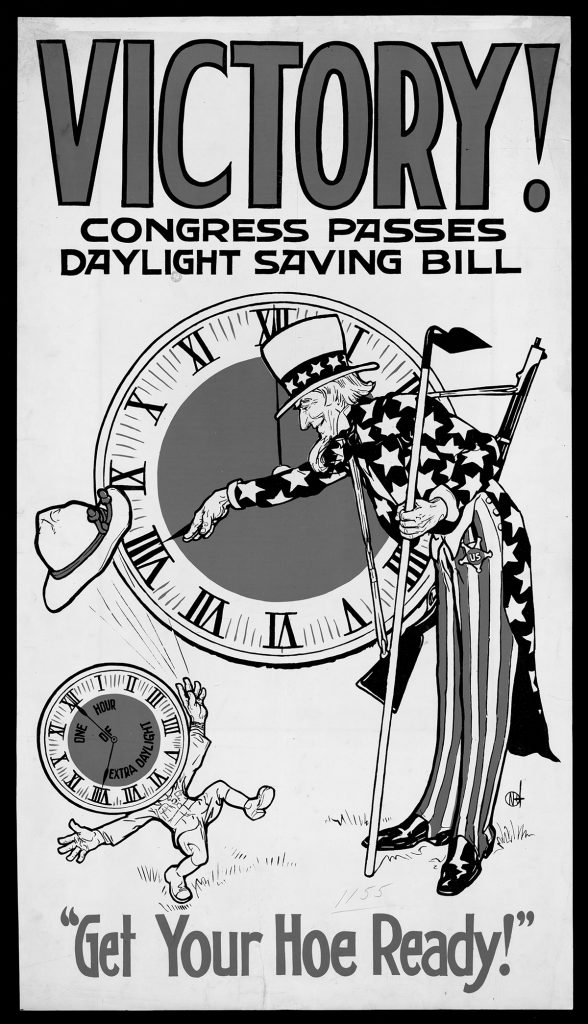
Image: loc.gov
Got cleaning questions? Email isabel@antigravitymagazine.com
illustrations by Ben Claassen III
