Alongside bands like Wonder Kid and Shipwrecked, Baby in the 90s has been one of the most prominent bands in a little-covered scene called “mopevvave” over the last decade. Less a subgenre and more a subculture, mopevvave encompasses a dozen or so emo-tinged bands from different parts of Southeastern Louisiana, united through online spaces and a shared DIY ethos centered on inclusivity. Originally formed over 15 years ago in Nashville while lead vocalist Allen “Mookie” Darden was still in college, Baby in the 90s has only released one full-length project, Rebuilt From Memory, in 2021. Recorded and mixed by Matt Goldman (who has worked with As Cities Burn and Underoath), Rebuilt From Memory was the band’s magnum opus of sorts, the culmination of years of writing and touring DIY circuits around the Gulf Coast. Four years later, they have returned with this 4-track EP, also recorded by Goldman. Stuck offers the same pristine production as their debut but with more concise and powerful songwriting. Math-y guitars and crunchy bass underline Darden’s vocals, which are pushed front-and-center in the mix. “Curtains Closed” seems like the unofficial title track of the album with its reflective, in-your-head lyricism which overanalyzes relationships and the fear of becoming stuck, unable to grow as a person. Though not as varied instrumentally as their debut, this EP does sound heavier with more distorted guitars and wailing vocals. “The Source” illustrates this change well with its hushed acoustic opening before the band bellows out like bullfrogs. Overall, it’s a highly polished release harkening back to their original indie-meets-emo roots that shaped mopevvave. —Dalton Spangler

With their first two albums, Brooklyn’s Hotline TNT firmly cemented themselves as part of the shoegaze renaissance, combining garage rock with distorted guitars, pedals, and loops to create fuzzed-out power pop about love, loss, and the pains of existence. On Raspberry Moon, their latest release, the band has leaned further into their pop sensibilities. While they have certainly not abandoned shoegaze, the distortion and loops complement the other instruments rather than taking center stage. Raspberry Moon is also the first album on which all members contributed to the songwriting, adding more diversity in comparison to their earlier works. While “The Scene” fits more into Hotline TNT’s previous canon, jangly pop number “Dance The Night Away” and “Julia’s War,” with its anthemic pub rock chorus, take more than a little inspiration from Britpop. Frontman Will Anderson still sings about heartache and disappointment, but Raspberry Moon also provides more space for romance and hope (from “Candle”: “I’m not scared / We’ll find new things to share”). With one foot still in the dive bar, Hotline TNT are growing into a more polished and self-assured rock band with more thoughts to convey and a wider musical vocabulary with which to express them. —Mary Beth Campbell
The Midnight Brawlers’ debut album Brawl’n’ is a swingy, bluesy, jazzed-up syncopated love letter to the diverse intersections of American, Brazilian, and New Orleans music. Featuring bandleader Rosalynn De Roos on vocals, clarinet, and soprano sax, Jason King on guitar, Jean-Paul Brion on trumpet, Fernando Lima on drums, and Stoo Odom on upright bass, this album has five inspired renditions of standards and three original compositions. Formed after Hurricane Ida, their Sunday night residency at Bamboula’s has conditioned them into a tight machine in live performance, with room for riffs and extended solos. Recorded at Marigny Studios, the album opens with “Queijo,” an instrumental samba penned by Brion. The cuíca, a Brazilian gourd instrument, provides a chatty scat counterweight to the smoothness of the song. Honduran-born De Roos integrates the Brazilian music traditions she studied in college, and São Paulo-born Lima brings music traditions of his heritage. Following right after is jazz standard “Blue Drag,” a meta ode to music as a place we can bring our worries to bask and grovel in the deepest reaches of love and loss. Written in 1932 during the Great Depression by Josef Myrow, it has been covered by the likes of Earl Hines, Django Reinhardt, Allen Toussaint, and other titans. The Brawlers’ interpretation brings sass and intrigue, conjuring hands-on-hips femmes of pulp novels meshed with “St. James Infirmary” inflections, heard especially in Brion’s beguiling Harmon mute effect. Additionally, “What’s the Matter with the Mill,” composed and popularized by Memphis Minnie in 1930, reinforces the relevance of social commentary disguised as double entendre in popular music. Here, the pace is slightly sluggish, guided by Odom’s narrative string plucking, and De Roos’ exasperated call is met with defensive response by the band. On King’s seductively ornate “Shady,” he and De Roos exchange solos over a composition that feels like a balmy stroll at dusk. The instrumental “Forró Brasil” is a fluid and syncopated odyssey written and driven by Hermeto Pascoal. The diverse musical traditions, time signatures, and instrumentation of Brawl’n’ keep it fresh and moving along. And those songs from long ago remind us of the continuity of human experience, and how music is a place we go to share it. —Veronica Cross
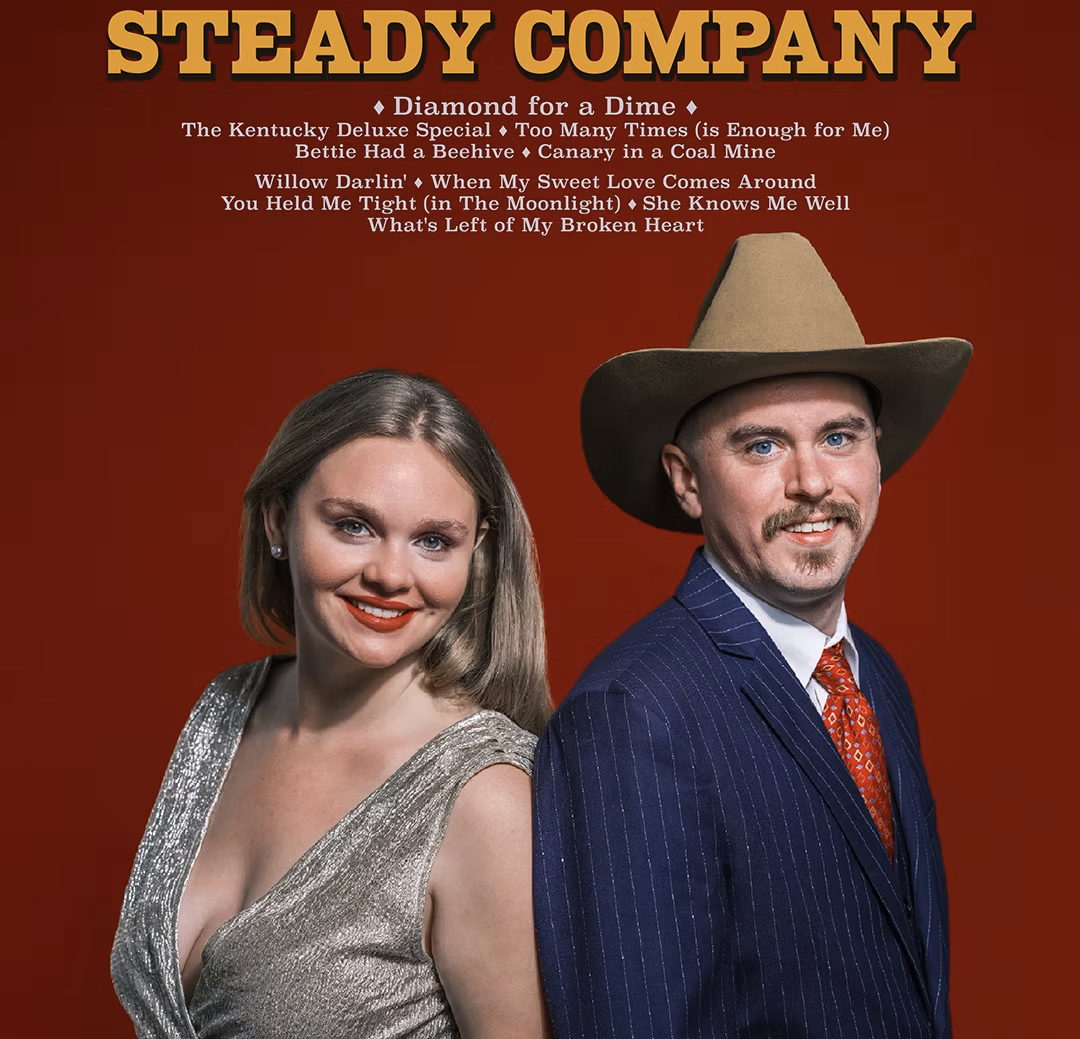
An album tailor-made for two-stepping at St. Roch Tavern on a Monday night, Steady Company’s debut effort Diamond for a Dime will appeal to any old soul with a wistful demeanor and humble appreciation for vintage romance. The New Orleans-based country western band comprises principal songwriters Tennessee Dixon and Arden MacDonald, who describe their music as “original country songs that blend gospel, bluegrass, traditional jazz, and blues.” Recorded at The Bomb Shelter in Nashville and produced by Andrija Tokic—who has previously worked with such artists as Alabama Shakes and Langhorne Slim—Diamond for a Dime rings with warm nostalgia and recalls a world both timeless and seemingly long-forgotten. Featuring 10 tracks about the thrill of young romance (“You Held Me Tight (In the Moonlight)”), the devastation of heartbreak (“What’s Left of My Broken Heart”), the warm comfort of whiskey (“The Kentucky Deluxe Special”), and the exultant joy of a night out with your true love (“Diamond for a Dime”), the album delivers on the band’s promise of “simple country music from 100 years ago” with charming aplomb and authenticity. —William Savoie
London-based slowcore outfit Winifer Odd create music that traverses the spectrum between doom metal and post-punk. The band has described Out of Frame, their sophomore effort and debut on New Orleans label Daughter of Pearl, as “doom pop,” with more influence from power pop in the band’s writing compared to their previous works. Though, it should be clear that Out of Frame is not a pop album, and Winifer Odd has not abandoned their slowcore roots. In fact, the more melodic, catchy elements help to create a tension in the songs, amplifying the real sense of melancholy and loss that builds throughout the album, which also happens to be their swan song—on their Bandcamp page, the band cites Black Flag’s My War as an influence. Opener “Cherry Black Ring” starts off delicately, building up into cinematic post-punk which the band plays with for the first half of the album. “Losing Light,” the middle track, is quiet and contemplative, setting the stage for the looser, gloomier second half. By album closer “Meantime,” Winifer Odd has broken away from the pop influences to return to their doom metal roots. There is no neat conclusion by the end of “Meantime.” Winifer Odd seems to want to end Out of Frame—and their project—on this tension and uncertainty, reveling in the melancholy before seeking out any catharsis. —Mary Beth Campbell
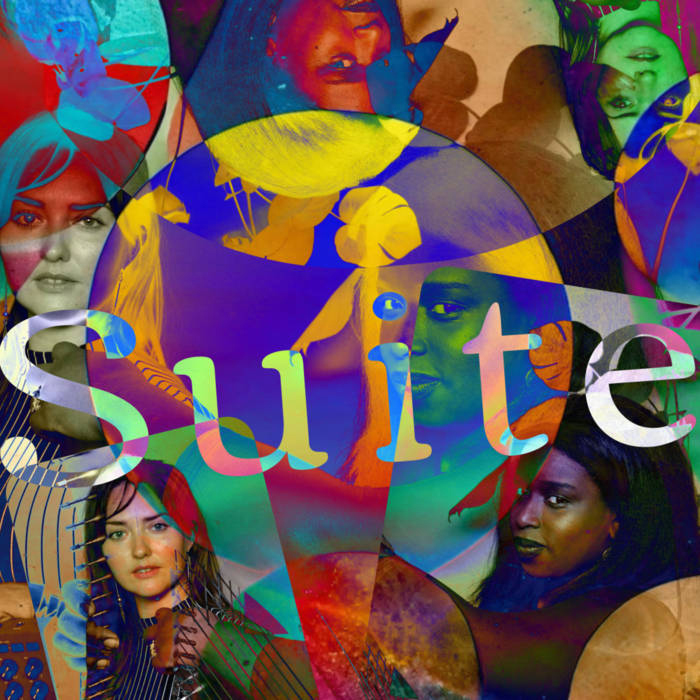
The origin story of Suite is a quintessential New Orleans tale. During Jazz Fest in 2022, avant-garde harpist and interdisciplinary artist Cassie Watson Francillon reached out to musician, producer, and sound designer Sasha Masakowski (Tra$h Magnolia) for an impromptu performance at Domino Sound Record Shack. That performance grew into a collaboration and, over the next two years, the duo crafted the eight otherworldly and groovy tracks that comprise Suite. Co-produced and mixed by Nick Hook (Run the Jewels, Lido Pimienta) and mastered by Joe LaPorta (David Bowie, Emily Wells), the songs on Suite, just like their creators, transcend genre. Separately and collectively, both are artists with keen musical instincts who are not afraid to push beyond traditional boundaries to create something new and exciting—this, too, is quintessentially a New Orleans tale. Hip-hop and trip hop beats mix with jazz elements, folk melodies, sultry vocals, and sparkling harp chords. On paper, this might seem like it would be chaotic, but in Francillon and Masakowski’s execution every piece fits together naturally into a soundscape that is bold, feminine, and alluring. —Mary Beth Campbell


Nightly drag shows, legally-recognized gender transitions, social identities formed free of the binary—it’s hard to imagine any of that existing outside of the contemporary moment. But it could and did, as The Einstein of Sex, the recently released biography of famed queer theorist Dr. Magnus Hirschfeld goes to show. Read Daniel Brook’s definitive study of the man and his milieu and you will discover just how much today’s radical queer spaces are retracing century-old terrain. Generations before Kinsey published his work on the sexuality spectrum, Dr. Hirschfeld was consoling queer Germans of every persuasion that there was nothing aberrant about them—their only ailment was shame. Galvanized by Oscar Wilde’s 1895 trial, he established an institute that conducted research on the prevalence of queerness both in nature and behind the curtain of turn-of-the-century respectabilty. The Institute for Sexual Science advocated for the abolishment of draconian anti-gay legislation, arguing that punishing queerness was not only cruel, it was ineffective. No matter how vociferously the armed guardians of social norms insisted that queerness was a perversion, people continued shaping their lives according to their inner desires. In Berlin particularly, queer people could be found everywhere: There were bisexuals in the metal workers union, power lesbians hitting the clubs in tuxedos, gay aristocrats slumming it with sailors at seedy dives, trans men working in cis male jobs as coal miners, barbers, and butlers. But while his work did open hearts and minds to the possibilities of thinking with nuance about gender, Dr. Hirschfeld walked a razor’s edge. True social change was forever hitting the stone wall of German militarism, which crescendoed first with World War I, and then, far more fatally, with the ascendency of the Nazis, who obliterated queer progress (and free expression in general) with such a white-hot hatred that it hurts to read. But Brook does not shy away from any of the painful truths that Dr. Hirschfeld himself spent a lifetime sifting through. Forced to flee at the onset of the Nazi regime, the good doctor took his show on the road, traveling the world with curiosity and a sense of justice that was continuously offended by the imperialism he encountered abroad. In exile, his work began to explore the connections between anti-queerness and racism. To his credit, Dr. Hirschfeld saw the extent to which hatred had been systematized worldwide, and how destructive it was to the human spirit regardless of where it drew the line. Whether or not queer history is of particular interest, The Einstein of Sex is wide-ranging, an illuminating window onto a century whose patterns appear to be repeating. And if queer history is your thing, this biography is an absolute must-read: Laugh, cry, and rejoice in the liberationist ethos of this legendary doctor of sex and his eternally relevant message. —Holly Devon
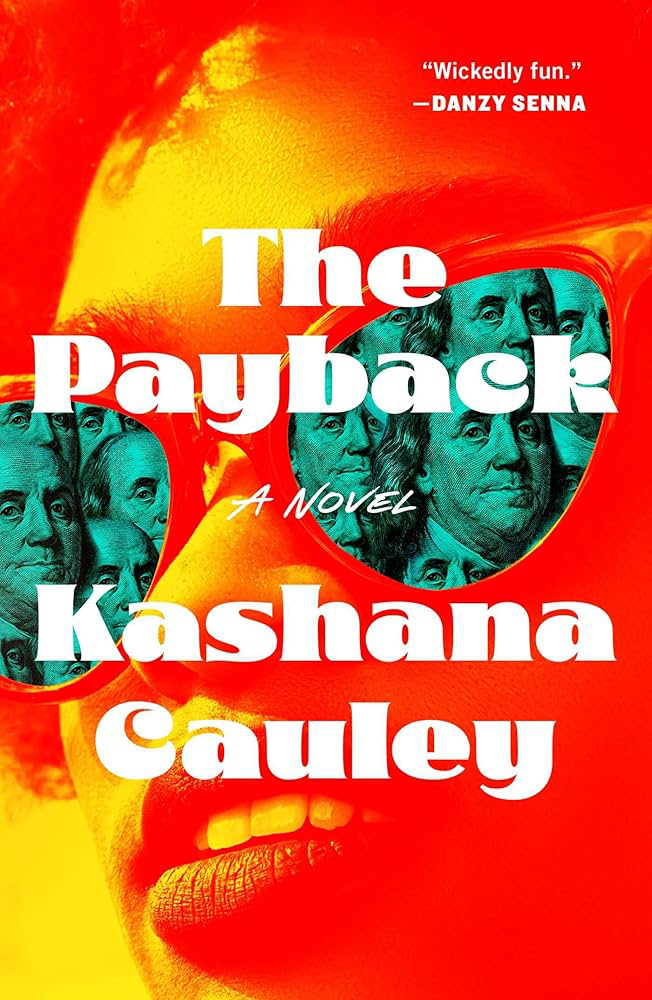
“I’m just annoyed that I have to think about another kind of cop,” says reluctant heist leader Jada Williams in Kashana Cauley‘s satirical novel The Payback. Williams, a former Hollywood wardrobe designer barely making ends meet at a mall clothing store job, finds herself, her friends, and her coworkers pursued by a new outfit of turquoise-clad Debt Police. They’re empowered to violently assault people behind on loans—student debt, in Williams’ case—and seize their belongings for creditors, all while spouting the New Agey wellness cliches now in vogue on the right (crystal healing and the like). Unfortunately for the debt cops, the political and economic conditions that begat their agency also mean a startlingly qualified heist team can meet while folding shirts at their mall job, and they set out to eradicate their debt records for good. Cauley skilfully portrays a dystopia just slightly worse than our own. It’s easy to imagine the taboo against debtors’ prison simply fading a little further, like so many other implicit legal protections. And her fun take on the anti-debt heist, executed here by a trio of artfully attired Black women, is a welcome reboot of a concept previously associated with people who took the most unfortunate lessons from Fight Club. —Steven Melendez
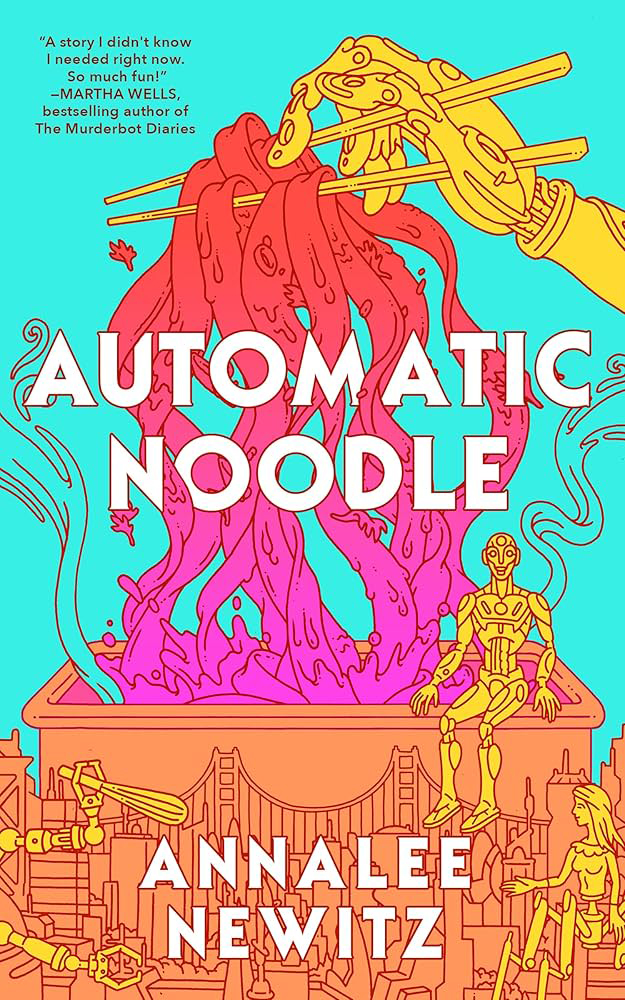
After a war between California and a right-wing United States, sentient robots built for military use struggle to find their place in civilian life in a bombed-out San Francisco. One group of bots, who had been unceremoniously shut down along with a food delivery ghost kitchen at which they were employed, decide to revive the spot to sell their own take on biang biang noodles—the thick, spicy noodles traditional to Xi’an, China. Like Annalee Newitz‘s previous novel, The Terraformers, Automatic Noodle revolves around manmade life forms finding their own, new ways to be human. It’s a kind of coming-of-age story, as the robots dealing with wartime trauma and discriminatory laws that grant them only a minimum of rights carve out a place in civilian life, customize their bodies to reflect their own needs and desires, and perfect their restaurant, which becomes a gathering place for both organic and electronic people. It’s an unabashedly heartwarming science fiction story, with all the humanity and cautious optimism readers expect from Newitz, as well as a tribute to the immigrant and LGBTQ communities that have made San Francisco—and so many other U.S. cities—what they are, culinarily and otherwise. —Steven Melendez

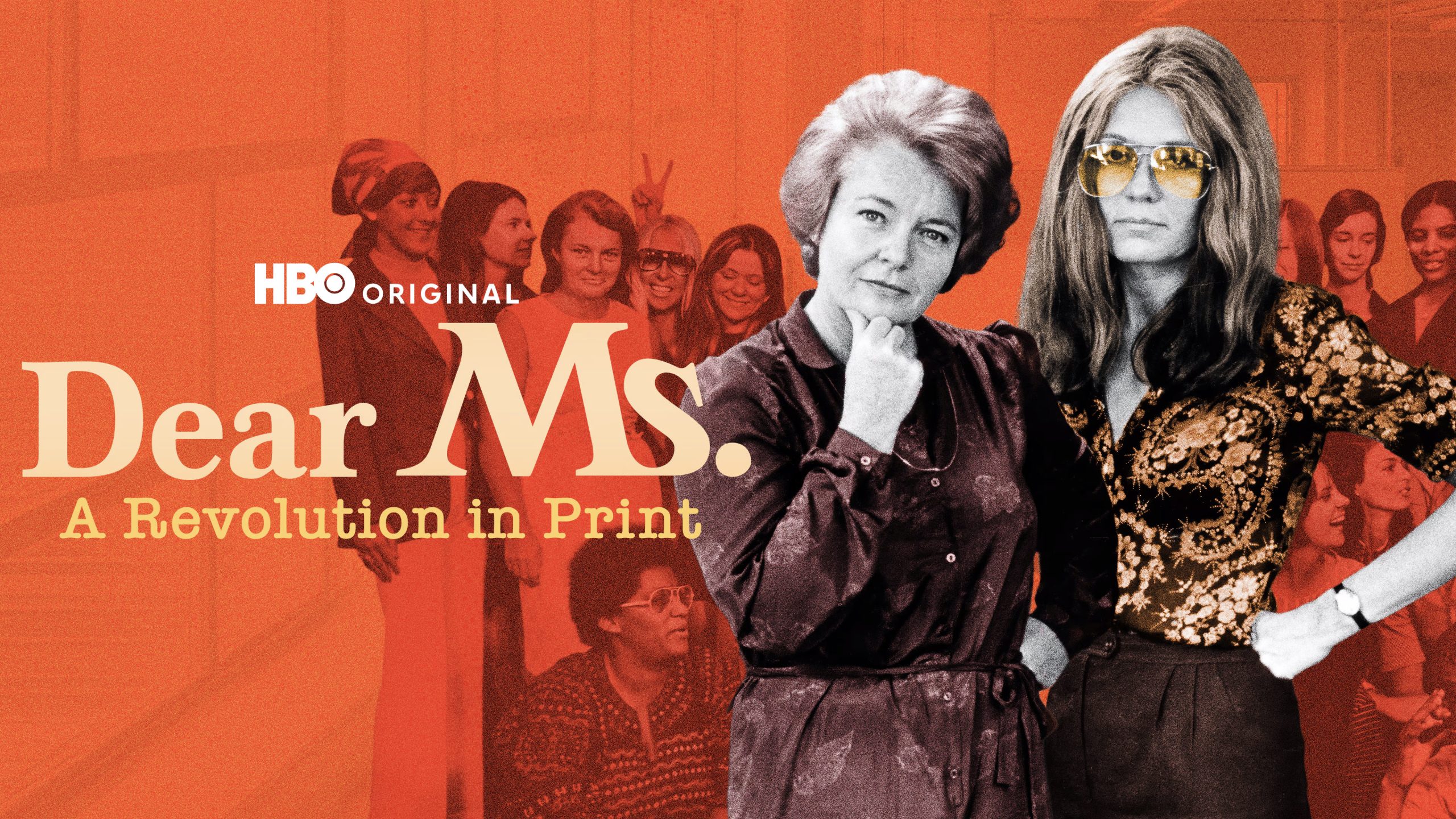
Whatever your position on second-wave feminism, consider the recently released documentary Dear Ms.: A Revolution in Print a gift—this exceptional documentary about an exceptional magazine has too much perspective on the present moment to pass up. Directed with tenderness by three women (Salima Koroma, Alice Gu, and Cecilia Aldarondo), Dear Ms. sorts through the gnarliest weeds of the original culture wars with patience and care, revealing the many iridescent shades of a movement that cannot be reduced to its protest signs.
The film is split between the directors into three separate parts, an artistic decision that works so well I’m surprised more documentarians don’t do it. By creating three films that fit together like nesting dolls, they can cover all the necessary ground of this major cultural lodestone without sacrificing narrative coherence. Though it clocks in at over two hours, Dear Ms. rolls like a river, continually winding and cresting as it ever so gently sweeps you into the deep, where delineations in time disappear.
The first part, “A Magazine for All Women” directed by Salima Koroma, starts with the absolute bombshell that was the arrival of Ms.—the first women’s magazine to take women seriously intellectually. The founding editors of Ms. were veterans of women’s magazines, which were all in the business of pimping out women’s consciousness to devilish advertisers. Sipping whiskey and swiveling in their chairs, these chuckling ad men had forever trivialized female consumers from teens to housewives, heightening their every insecurity to better sell whatever product they happened to be shilling. Ms. emerged from the founding editors’ nauseated reaction to all they had been made to do and say. Creating their own magazine liberated them to talk about the real issues they knew women were experiencing— abortion, social isolation, unfulfilled desire. Male power players in the media derided the effort, publicly betting that the magazine would fold after only a few issues. They soon ate their words: The incendiary debut sold out in three days, subscriptions went like hot cakes, and ultimately the magazine proved to have the staying power to outlast many of its detractors.
But with power comes responsibility, and the founding editors interviewed in the documentary willingly admit to fumbling the ball more than once when it came to race. That is not to say there weren’t efforts to include Black women writers from the beginning. Ms. Magazine published Alice Walker’s gorgeous 1972 essay, “In Search of Our Mothers’ Gardens” in its inaugural year, hiring Walker as a contributing editor shortly thereafter, and was one of Shirley Chisholm’s only champions in the media during her historic presidential run. Part I features interviews with prominent—and critical—Black female writers who also worked at Ms. Pulling no punches, they tell of cringeworthy moments in the white world of Ms., standing in contrast to the comparatively liberated culture of ESSENCE in its full Black-isbeautiful bloom. They point to Alice Walker’s resignation from the editorial board in 1986 because of her racial isolation on staff. Marcia Ann Gillespie, who took the position of Ms. Editor-in-Chief in 1992 (having successfully helmed ESSENCE at the astonishing age of 26) saw a worthy challenge in her eventual move to Ms. “What I saw was a magazine that was learning,” Gillespie says in the film, appreciating its dynamism. “We women need to question and challenge each other. We need to do the work.”
And as Alice Gu demonstrates in Part II, “A Portable Friend,” the work Ms. Magazine did. In this chapter, we behold the miracle of a nationally syndicated magazine refusing to play it safe. They tirelessly did what all great publications are supposed to: address controversy head-on and complicate the conversation wherever possible. The magazine’s offices had always been flooded with letters from grateful female readers, some of whom had no other exposure to feminist discourse and lived in households where men ruled as petty tyrants. The editors took their responsibility to these readers seriously, even when it came at the expense of their advertisers. Maintaining a roster of brilliant writers cost money, which they depended on advertising to provide, leading to more than a few conflicts. Before putting out their groundbreaking issue on domestic violence, whose cover featured a woman made up to look like she’d been beaten, advertisers swore they’d pull out if they went ahead with printing that cover. But publisher Pat Carbine talked them down. The editors all knew they had to do it—if they didn’t, who would? As a quote from archival footage explains the necessity, “Most of the places women are turning to for help, whether it be to police, lawyers, social workers… the men she is turning to are men who also beat their wives.” Ms. gave these women a voice, stating in no uncertain terms that what was happening to them was unacceptable, and connecting them with the resources they so desperately needed. Here, as with all the crises spotlighted by Ms., there was a chance to receive support and rally together. Where Ms. went, change often followed. But these issues were rarely black and white, as Cecilia Aldarondo’s Part III, “Erotica and Pornography: Do You Know the Difference?” painfully illustrates with a frank look at the rise of late ‘70s porn culture and the fraught feminist response. When it came to porn there was plenty of nuanced thinking among the Ms. staff, but their published discourse didn’t always show it. They felt obligated to call out the industry, and in the escalating battles around porn and all it represented—exploitation, free speech, empowerment, subjugation, financial independence, and sexual commerce—it was hard not to take sides. Ms. did try for good discourse. Though they fell short of including the voices that would have truly represented the full feminist spectrum of sexual politics, they brought in enough diversity of opinion to permanently alienate their erstwhile ally, the anti-porn firebrand Andrea Dworkin. Ms. always walked a tightrope, and in Part III you watch them fall off it.
And there it lay, a movement ripped apart from within, just like the rest of their radical counterparts. So what now? Is the cycle just beginning all over again? There’s evidence to support the notion. The most successful new women’s magazine is a heteronormative fever dream whose greater mission appears to be the depiction of a pastel racial rainbow of women as milkmaids, who want you to know that an $80, 11-step hair treatment is a no-brainer of an investment, ChatGPT can indeed help you lose weight, and there’s nothing wrong with making a career of filming yourself baking fruit tarts from scratch for your husband and children, thank you very much. But there’s no denying that the Ms. generation changed us. Personally, I couldn’t even have made it out of high school without them. The product of a feminist upbringing, I may not have learned to apply makeup till I got to college, but the ‘70s sisters with a hand in raising me taught me what I most needed to know: the practice of self-love as political resistance, that no life but a truthful one is worth living, and that expressions of sisterhood are allowed to be cheesy. So I feel empowered to tell you that witnessing a group of mutually supportive women directors making a film about a group of mutually supportive women writers and editors hit me like a lightning bolt, reminding me that feminine power is sacrosanct and ungovernable—but only when we claim it. —Holly Devon

How does one even begin to properly eulogize Ozzy Osbourne? Few have contributed as much to a genre’s very DNA and longevity as Ozzy has for heavy metal. He was one of metal’s founding fathers in Black Sabbath, a solo artist who captivated the world across multiple decades, and a figure who championed younger generations of artists through endeavors like Ozzfest. Back to the Beginning was always meant to serve as the Prince of Darkness’ final bow as a live performer, but the singer’s passing just 17 days after the massive charity concert lends it additional weight. During the five months between Back to the Beginning’s initial announcement and the actual concert on July 5, many fans wondered if Osbourne would even be capable of taking the stage one last time due to his lengthy battle with Parkinson’s disease and repeatedly canceling farewell tours across multiple years. That concern didn’t stop 42,000 people from making the pilgrimage to Villa Park in Ozzy’s hometown of Birmingham, England for his final concert and over five million people paying to stream the event, raising roughly $190 million and turning it into one of the most successful charity concerts in history.
On his special day, the Prince of Darkness ushered in his final solo set by rising from within the stage on a pitch black throne to the triumphant sounds of “O Fortuna,” which gave way to longtime Ozzy guitarist Zakk Wylde’s rendition of the speedy opening riff to “I Don’t Know.” Osbourne, no longer able to stand on his own due to his health issues, ruled over his masses of disciples from atop that throne, waving his arms energetically and still conjuring a captivating performance despite his physical limitations. Perhaps most surprising was the strength of his vocals, which starkly contrasted the notorious mumbles that dominated many shows like his last New Orleans appearances in 2010 and 2015. The sentimental song “Mama, I’m Coming Home” was a real tear jerker, pulling emotive responses out of the audience that had gathered to see their hero perform one last time. Osbourne closed the five-song set with the iconic “Crazy Train.” During the song, footage of his original solo guitarist Randy Rhoads, who Osbourne constantly honored since the guitarist’s tragic death in 1982, flashed behind the singer. In light of Osbourne’s passing, many have remarked that they hope the duo have been reunited in the afterlife, making the use of the tribute to Rhoads during his final solo song especially poignant.
After sending off his solo career, the throne-bound prince returned to the stage with the other three original members of Black Sabbath to pay respects to his roots as part of the band that defined heavy metal. Throughout the four song set, Ozzy visibly tried and failed to lift himself out of his throne on numerous occasions, a clear testament to his determination to give it his all. His dedication was paid back by the audience, who enthusiastically picked up lines during the eternally relevant “War Pigs” whenever Osbourne would drop out. One of the most exciting facets of this performance was that the band was performing as the true, original article for the first time in two decades. The band had unceremoniously booted drummer Bill Ward from its previous reunion endeavors during the 2010s, so this was many people’s first and only chance to witness the unique dynamic of heavy metal’s founding fathers together. While subsequent generations of metal musicians have elevated the genre with the flair and technicality of their approaches, the original members of Sabbath embody a distinctly different era of musicians who grew up on blues records and the Beatles instead of shredding tutorials. Despite the unsurprising wear and tear of over half a century of heavy metal madness, the fabled four played off each other in a fashion that really reminds us that these are four working-class guys from Birmingham who persevered and created a timeless artform out of very little.
Sabbath’s short yet momentous set featured “War Pigs,” “N.I.B.,” “Iron Man,” and “Paranoid.” Back to the Beginning showcased many of the group’s other iconic songs, as well as a number of Ozzy’s solo hits, earlier that day as part of a seven-hour stretch during which many of metal’s biggest names took to the stage to pay their respects. Two separate supergroups rotated high profile names like Rage Against The Machine guitarist (and Back to the Beginning musical director) Tom Morello, former Judas Priest guitarist K.K. Downing, and former Van Halen singer Sammy Hagar alongside some of Ozzy’s most notorious sidemen. A touring partial Pantera reunion, which now features Zakk Wylde, tore through their beloved take on “Planet Caravan.” Slayer’s stiff rendition of early Sabbath cut “Wicked World” contrasted the original’s blues-drenched performance, a reminder that part of what made those early records so powerful was the distinct dynamic of those four musicians’ chemistry rooted in a whole different generation of influences. Jack Black made a pre-recorded video appearance in full Ozzy regalia as he offered a theatrical rendition of “Mr. Crowley,” a loving tribute to Osbourne’s over-the-top showmanship. Metallica even turbocharged the extremely deep cut “Johnny Blade” from the original Sabbath lineup’s poorly-received final studio album Never Say Die!. Back to the Beginning was truly a celebration of everything that both Sabbath and Ozzy have meant to the heavy metal world. Far too many artists don’t get their flowers during their lifetime. I, for one, am touched to know that Ozzy definitely left this world with full comprehension of just how much he meant to an entire subculture. —William Archambeault
